
Jointed flatsedge
Cyperus articulatus
Cyperus articulatus, commonly known as jointed flatsedge, is a perennial aquatic or semi-aquatic plant belonging to the Cyperaceae family. It is native to tropical regions globally, where it grows in wetlands, marshes, and along the edges of water bodies.
What the section contains
Jointed flatsedge
The plant thrives in warm, humid climates and is highly sensitive to frost. For optimal growth, it requires abundant sunlight and consistently wet or flooded soil conditions, making it an ideal candidate for cultivation in riparian areas or managed wetlands.
Soil requirements involve nutrient-rich, organic-heavy sediments. The plant is characterized by its long, creeping rhizomes, which allow it to propagate vigorously. These rhizomes are the primary source of the aromatic essential oils utilized in commercial applications.
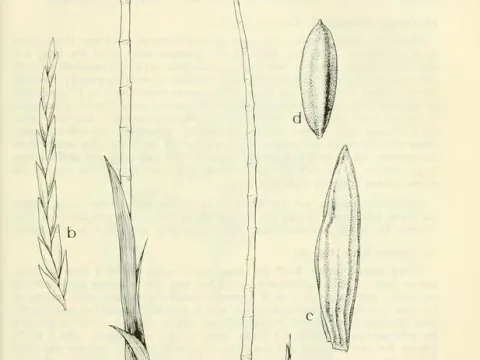
Botanically, the species is defined by its smooth, leafless, cylindrical stems that feature distinct internal septa or partitions. These structures give the plant its unique appearance and contribute to its structural integrity in aquatic environments.
Agronomic management involves maintaining the right water level to ensure the rhizomes remain saturated but not stagnant, which could lead to decay. Cultivation is primarily done through division of the rhizomes, ensuring quick establishment of new planting sites.
The main threat to Cyperus articulatus is root rot caused by pathogens if the water quality is poor or if the temperature drops below the species' comfort zone. Maintaining clean, circulating water is essential for healthy rhizome development.
Pests such as various aphids and stem-boring larvae may affect the growth of the shoots. Integrated pest management, focusing on early detection and physical removal, is usually sufficient to handle these challenges without broad-spectrum chemical interventions.
Weed management is critical during the establishment phase. Once the plant has formed a dense colony, it outcompetes most invasive weeds, effectively reducing the need for long-term manual labor or mechanical weeding.
Viral infections can affect the vitality of the plant, often transmitted through shared water sources or infected propagation materials. Strict sanitation protocols during the division and planting processes are highly recommended for large-scale operations.
Overall, the plant is remarkably hardy once established. The primary agronomic concern remains the balance between maximizing yield and preventing the plant from becoming overly invasive in the local wetland ecosystem.