
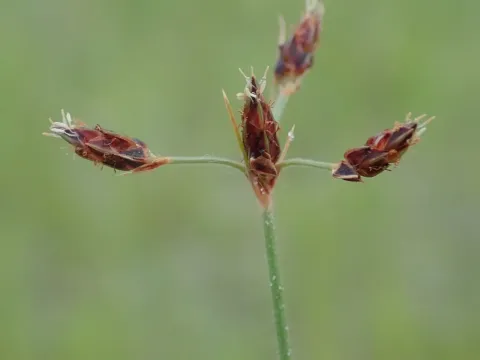
Fimbristylis hispidula
Fimbristylis hispidula
Fimbristylis hispidula is a member of the Cyperaceae family, typically found in wet, tropical environments. Sowing should occur when soil temperatures are sufficiently warm to ensure rapid germination and establishment of the seedlings.
What the section contains
Fimbristylis hispidula
The seeds require moisture and light to germinate effectively. Therefore, they should be sown on or near the soil surface, ensuring the substrate remains consistently wet throughout the initial growth phase.
The optimal planting time follows the last frost, allowing the plant to benefit from long, warm days. Proper spacing is essential to encourage tillering and canopy development from an early stage.
Preparation of the seedbed involves creating a fine tilth, which improves the contact between the seeds and the soil moisture. This is crucial for uniform emergence in a nursery or field setting.
Consistent moisture management post-sowing is the most critical factor for success. Drying out of the soil surface can lead to significant seedling mortality, especially in the first two weeks.
This crop thrives in high-moisture environments, preferring marshy or wetlands. Fimbristylis hispidula is highly adapted to areas where standing water may be present, making it an excellent candidate for specific hydro-agricultural projects.
Light availability is paramount, as the plant is heliophilic. Shade will significantly reduce both the vegetative growth rate and the overall reproductive potential of the plant during the season.
The soil should be rich in organic matter, ideally with a neutral to slightly acidic pH. Incorporating organic amendments helps in maintaining the moisture retention required for optimal growth.
The temperature range for this species should remain between 20°C and 30°C. Cold spells can hinder biological processes and cause chlorosis in the leaves of younger plants.
High humidity levels are preferred, mimicking the plant's natural habitat. Ensuring that the rhizosphere remains adequately hydrated is the primary concern for any professional grower of this species.
The yield of Fimbristylis hispidula is largely determined by nitrogen availability and water management. Under favorable conditions, the plant is highly productive and can sustain multiple harvests throughout the year.
The biological vigor of this sedge allows it to regrow rapidly after mowing or harvesting. This characteristic is particularly valuable for forage-related uses or biomass production systems.
Seed yield is robust in healthy, mature stands. By timing the harvest correctly, growers can maximize both biomass volume and the quantity of viable seeds produced for the next season.
Productivity metrics indicate that intensive cultivation methods, including controlled irrigation and balanced fertilization, lead to significantly higher yields compared to wild-harvested samples.
Proper nutrient management, specifically providing nitrogen during active vegetative growth, is essential to reach the full yield potential of this crop in a controlled environment.
Common threats to Fimbristylis hispidula include fungal diseases such as root and crown rots, especially when the crop is grown in stagnant water without proper drainage or airflow.
Insect pests include various caterpillars and specialized beetles that target the stems and leaves. Regular scouting is required to prevent widespread damage in dense plantations.
- Root rot associated with poor drainage conditions.
- Leaf-spot fungi during periods of high humidity.
- Caterpillar infestations during the peak growing season.
- Stunted growth caused by nutrient deficiencies or pests.
Disease prevention is best achieved through good cultural practices, including maintaining optimal plant density and ensuring the site is not prone to prolonged anaerobic soil conditions.
Integrated pest management should be used to protect the crop. Focusing on healthy plant growth is the first line of defense against most minor pathogens and insect threats.