
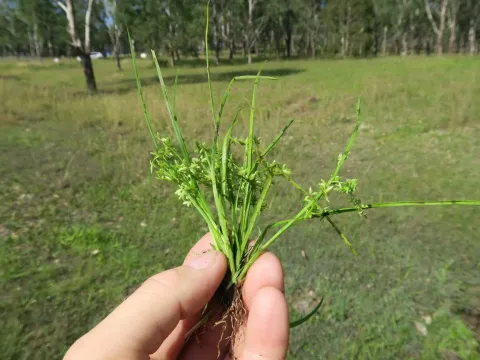
Flaccid flatsedge
Cyperus flaccidus
Cyperus flaccidus, commonly known as flaccid flatsedge, is a member of the Cyperaceae family. It is a moisture-loving perennial herb often found in wetland habitats, riparian zones, and areas with permanently high soil moisture levels.
What the section contains
Flaccid flatsedge
To cultivate this species, site selection is paramount. The ideal soil profile is a nutrient-rich, high-organic substrate that maintains saturation without becoming anaerobic. Proper hydraulic management of the cultivation area is necessary to sustain growth.
Environmental conditions should mimic the plant’s natural tropical or warm-temperate habitat. The species thrives in temperatures between 20°C and 30°C. It is intolerant of frost and requires protection if grown in regions with significant temperature drops.
Light intensity significantly influences the architectural development of the plant. High light levels promote thicker stalks and more vibrant foliage, whereas shaded conditions may lead to etiolation and structural weakness of the herb.
Crop management focuses on water quality. Since Cyperus flaccidus is sensitive to salinity, irrigation water must be tested periodically. Furthermore, balanced fertilization programs are required to maintain high yield of biomass, focusing on phosphorus and potassium to strengthen cell walls.
Diseases in flaccid flatsedge are predominantly linked to pathogenic fungi that proliferate in stagnant, poorly ventilated water. Root rot is the most serious threat, often appearing when water temperatures remain low for extended periods.
Pest pressure often comes from aquatic insects and snails. These organisms can graze on the foliage and base of the stems, leading to stunted growth. Monitoring the water level and using mechanical barriers can sometimes mitigate this impact.
Fungal leaf spot diseases may appear during humid seasons. It is essential to ensure adequate plant spacing to allow for airflow, which reduces the moisture trapped on leaf surfaces and slows down fungal spore germination.
Integrated pest management (IPM) is encouraged. This includes rotating water sources, manually removing infected vegetation, and utilizing biological control agents that target specific larvae without disturbing the aquatic ecosystem.
In cases of severe infestation, targeted applications of copper-based fungicides may be necessary. However, growers must verify local regulations regarding the use of chemicals in proximity to water bodies to avoid environmental contamination.