
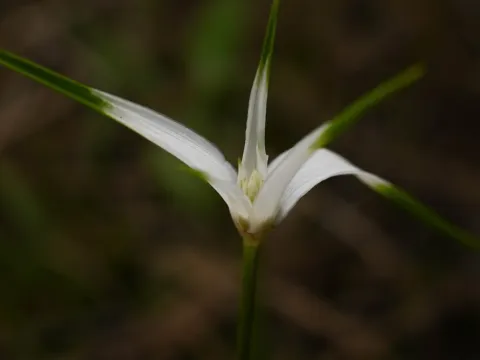
Cyperus kyllingia
Cyperus kyllingia
Cyperus kyllingia is a perennial herbaceous plant that reproduces primarily through an extensive system of rhizomes. This underground growth allows the plant to form dense clusters that persist for many years.
What the section contains
Cyperus kyllingia
The active vegetative growth typically begins in the spring when temperatures rise, facilitating the rapid expansion of the rhizome network through the soil layers.
While the plant produces seeds, the primary method of spread in a farm setting is through the movement of rhizome fragments during tillage operations or flooding events.
Agronomic management relies on identifying the growth cycle and implementing cultivation practices that disturb the root system before the plant reaches peak reproductive maturity.
For effective control, it is recommended to manage soil moisture levels, as constant high humidity provides the optimal environment for the plant to recover after physical disturbance.
This species belongs to the Cyperaceae family, often referred to as sedges. It is characterized by its triangular stems and unique flower clusters which distinguish it from grasses.
The plant thrives in moist environments, including wet pastures, riverbanks, and agricultural fields with poor drainage systems. It is highly tolerant of waterlogged soils.
Temperature plays a crucial role in its development, with optimal growth occurring in warm climates between 20°C and 30°C. Cold weather forces the plant into dormancy.
Regarding soil preferences, it favors loamy and high-organic content soils where moisture retention is high, though it shows significant adaptability across various soil types.
Sunlight is essential for vigorous growth; the plant performs best in full sun exposure, which is why it often becomes a problematic weed in open field cultivation.
Common diseases affecting Cyperus kyllingia include various fungal rusts and leaf spot pathogens, which typically appear under conditions of extreme humidity and poor air circulation.
Insect pests such as stem-boring larvae can significantly impact the plant's health, occasionally causing the dieback of aerial stems during the peak of the summer season.
In agricultural systems, Cyperus kyllingia acts as a strong competitor for nitrogen and water, often leading to reduced yields in crops such as rice or vegetables.
Control is challenging due to the plant's waxy cuticle, which acts as a barrier to many standard systemic herbicides, requiring specialized adjuvants for effective application.
Integrated weed management remains the most effective strategy, focusing on mechanical disruption of the rhizomes followed by competitive cropping to shade out the plants.
While not a harvested agricultural crop in the traditional sense, some cultures utilize the dried rhizomes or aerial parts of this plant for specific traditional medicinal applications.
Harvesting for these purposes typically occurs in late autumn when the concentration of secondary metabolites in the rhizomes is at its peak, providing the highest quality material.
The harvesting process involves manual excavation of the soil, ensuring that the entire root system is collected to prevent the regeneration of the plant in the following season.
After collection, the material requires thorough washing to remove soil particles, followed by air-drying in a shaded area to preserve the integrity of its chemical compounds.
Proper storage is essential to prevent mold growth, especially in humid climates, where the dried product must be kept in breathable containers to maintain its pharmacological efficacy.