
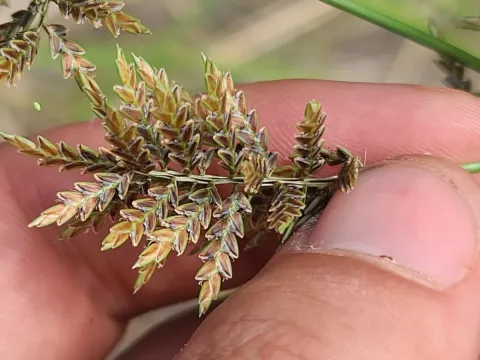
Cyperus flavicomus
Cyperus flavicomus
Cyperus flavicomus is a species within the Cyperaceae family, commonly known as the sedge family. It is a robust herbaceous plant that thrives in wetland environments, characterized by its preference for high-moisture habitats and hydromorphic soil conditions.
What the section contains
Cyperus flavicomus
Successful cultivation of this crop depends heavily on water availability. As a moisture-loving species, it requires consistent irrigation or a naturally high water table to maintain turgor pressure and support rapid growth, especially in arid climates where evaporation rates are high.
The plant performs best in nutrient-rich, organic soils with a slightly acidic to neutral pH level. Integrating organic matter into the soil profile significantly improves moisture retention capacity, which is essential for maximizing biomass production and overall plant health.
Regarding climatic requirements, Cyperus flavicomus favors warm temperatures between 20°C and 28°C. Abundant sunlight is necessary for photosynthesis, though the plant can tolerate partial shade if the soil moisture levels are consistently maintained throughout the growing season.
Agrotechnical practices include systematic nitrogen fertilization to promote foliage development and careful weed management. Because the plant is sensitive to competition, maintaining a clean cultivation bed is vital during the early growth stages to ensure the crop establishes successfully.
The primary threats to Cyperus flavicomus include fungal infections such as root rot and leaf blight, which are prevalent in excessively humid environments. Implementing preventive fungicide treatments and ensuring adequate air circulation are critical strategies for disease control.
Insect pests can pose a significant challenge, particularly those that feed on the rhizomes or stems. Regular field scouting is necessary to identify pest populations early and apply integrated pest management (IPM) techniques to prevent economic damage to the crop.
Weed interference is a major limiting factor in sedge production. Given the plant's growth habits, mechanical cultivation can be difficult without damaging the shallow roots, making pre-emergent weed suppression or careful hand weeding the most effective methods for protection.
Soil compaction can negatively impact root respiration, leading to decreased vigor and increased susceptibility to pathogens. Maintaining optimal soil structure through proper drainage management is essential to prevent water stagnation that lacks sufficient oxygen levels.
Strategic crop rotation and the use of healthy, disease-free planting materials are foundational to protecting plantations from widespread infections. Monitoring environmental stressors, such as temperature spikes, further helps in mitigating potential crop losses throughout the season.