
Cyperus dubius
Cyperus dubius
Cyperus dubius is a perennial herbaceous plant belonging to the Cyperaceae family. Distributed primarily in tropical and subtropical regions, this species is well-adapted to moisture-rich environments. In an agricultural context, it serves as a robust component of local vegetation, occasionally utilized for forage or traditional handicrafts.
What the section contains
Cyperus dubius
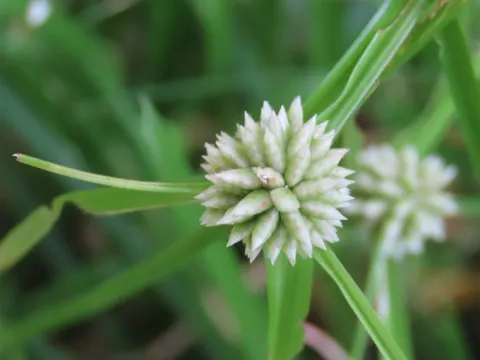
Botanically, the plant is characterized by a strong rhizomatous root system and triangular stems typical of the sedge family. The leaves are predominantly basal, forming dense tufts that help protect the soil surface. The inflorescences are distinct, tightly clustered heads, which are diagnostic features used in field identification of this species.
The climatic requirements for Cyperus dubius center on heat and consistent moisture. It thrives in tropical climates where temperatures remain above 20 degrees Celsius year-round. It is highly sensitive to drought; therefore, irrigation management is essential if the plant is grown outside of naturally flood-prone areas.
In terms of soil, the plant prefers moist, nutrient-rich substrates. While it shows some tolerance to varying pH levels, it performs best on loamy soils with a high organic matter content. Agronomic practices should focus on maintaining high soil moisture levels to ensure the plant reaches its maximum potential growth rate.
Economically, Cyperus dubius is valued for its versatility. Beyond its potential role in livestock nutrition, its fibrous structure makes it suitable for various weaving industries. Recent studies also explore its biochemical properties, suggesting potential applications in medicinal research due to specific alkaloids present in the roots.
Like many sedges, Cyperus dubius is generally hardy, yet it remains susceptible to fungal pathogens when grown in overly humid, stagnant conditions. Leaf spot diseases can significantly reduce photosynthetic efficiency if not managed through proper spacing.
Pest pressures primarily include leaf-mining insects and occasionally root-feeding nematodes. These pests can cause chlorosis and stunted growth, particularly in younger, more vulnerable plants that have not yet established a strong root system.
Effective management strategies involve regular field inspections to detect early symptoms of infestation. Maintaining adequate spacing between plants improves airflow, which is a critical factor in preventing the spread of fungal spores across the field.
Crop rotation remains the most effective prophylactic measure against soil-borne pests. By avoiding monoculture systems and integrating other non-sedge crops, farmers can disrupt the life cycles of target pests and improve soil health.
Where chemical intervention is necessary, the application of targeted, environmentally safe pesticides is recommended. Preference should always be given to biological control agents to preserve the biodiversity of the ecosystem where Cyperus dubius is cultivated.