
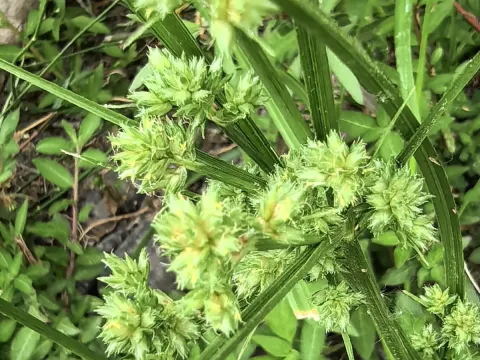
Cyperus elegans
Cyperus elegans
Sowing Cyperus elegans seeds is typically performed in early spring under controlled conditions, using a moist, peat-based growing medium for optimal results.
What the section contains
Cyperus elegans
Seeds require a constant temperature between 22 and 26 degrees Celsius and sufficient ambient light to initiate successful germination within a few weeks.
Vegetative propagation via rootstock division is an alternative method, often preferred for maintaining the genetic purity and vigor of the parent plant.
When transplanting seedlings outdoors, ensure they are placed in a location where the soil remains consistently saturated throughout the growing season.
The planting depth should be minimal, as the seeds of Cyperus elegans need exposure to light to trigger biological growth mechanisms effectively.
Cyperus elegans belongs to the Cyperaceae family and is recognized as a hydrophyte, which thrives in swampy environments and water-logged soil conditions.
This species demands high soil moisture levels, making it perfectly suited for shoreline stabilization, pond margins, and artificial wetland landscaping.
Rich, nutrient-dense organic soils are preferred to sustain the plant's rapid growth cycle and ensure the production of strong, healthy vegetative stalks.
The plant performs best in full sun, although it can tolerate light partial shade, provided that the soil moisture levels do not fall below the critical threshold.
Climate requirements include a frost-free environment, as the plant is sensitive to cold and requires protection or indoor overwintering in temperate regions.
Yield assessment for Cyperus elegans focuses on total biomass accumulation, which serves as a renewable resource for artisanal and ecological applications.
Optimized irrigation schedules and strategic nitrogen fertilization significantly boost the biomass output, allowing for multiple harvests within one season.
The stalks are highly valued for their resilience and flexibility, serving as a raw material for various woven products, mats, and biodegradable agricultural tools.
Productivity per hectare is dependent on the management of soil nutrient levels and the maintenance of a consistent water supply during the peak growth phase.
Proper density management allows for maximum utilization of space, ensuring that each plant receives adequate nutrition to achieve its full potential size.
Primary threats include fungal infections triggered by stagnant air and water saturation, which can lead to root rot if sanitation protocols are neglected.
Pests such as aphids and spider mites are common during dry spells, particularly when the ambient humidity drops below the plant's comfort range.
Prevention is key, involving regular thinning of dense foliage to promote airflow and the prompt removal of any diseased plant tissue from the site.
Integrated pest management strategies are recommended to mitigate the impact of insects while protecting the surrounding wetland habitat from chemical runoff.
Biological treatments and natural predators should be utilized to control pest outbreaks effectively without compromising the environmental health of the area.
Harvesting for commercial or artisanal use occurs at the end of the growth cycle when the stalks reach their peak maturity, density, and color intensity.
Cutting should be performed with precision tools to prevent mechanical stress on the rhizome, ensuring the plant can successfully regenerate in subsequent years.
Post-harvest processing includes drying in a shaded, well-ventilated structure to preserve the natural flexibility and integrity of the harvested plant fibers.
Proper storage is essential to maintain the quality of the raw material, requiring dry conditions to prevent mold growth and maintain its physical strength.
Cleaning and clearing the planting site post-harvest reduces the risk of overwintering pathogens and sets the stage for a productive following season.