
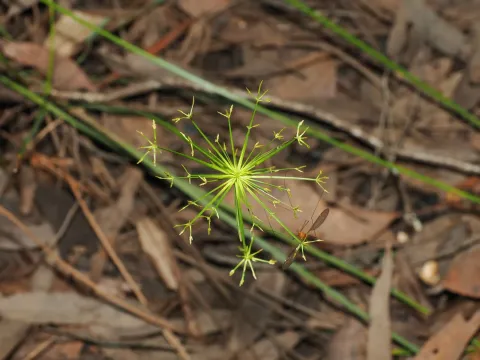
Cyperus haspan
Cyperus haspan
Propagation of Cyperus haspan is primarily achieved through rhizome division during the spring, which ensures rapid establishment of the plant. Seeds can also be used, but they require a warm, moist, and well-lit environment to successfully germinate within two to three weeks.
What the section contains
Cyperus haspan
When planting, ensure that the substrate is consistently saturated with water. For commercial cultivation, planting in a layer of moist soil or peat-based mix is ideal to provide necessary nutrients for the initial phase of development.
Optimal spacing is required to allow the plant to spread its rhizomes effectively. Planting density usually ranges from 5 to 9 plants per square meter depending on the desired density and speed of surface coverage required by the grower.
Early spring planting allows the plant to take full advantage of the growing season. By ensuring that the root zone remains undisturbed during the transplanting process, the risk of shock is significantly reduced, promoting faster growth.
Maintain consistent temperature and moisture levels immediately after sowing to support the young root system. Using a greenhouse environment for initial stages can drastically improve survival rates of seeds and small seedlings before outdoor placement.
Cyperus haspan, a member of the Cyperaceae family, thrives in tropical and subtropical wetland environments. It is characterized by its adaptability to waterlogged conditions, making it an excellent candidate for aquatic or semi-aquatic landscapes.
Sunlight is the most critical factor for this species; it requires full sun to partial shade to develop its characteristic vibrant green stems and healthy root system. Insufficient light results in elongated, weak stems that lack structural integrity.
The soil should be rich in organic matter, such as peat or well-decomposed compost. The plant prefers slightly acidic to neutral pH levels, which helps in the efficient uptake of essential macronutrients like nitrogen, phosphorus, and potassium.
Water quality plays a significant role in the plant's health; it is sensitive to high salt concentrations. Irrigation with fresh, non-saline water is essential to prevent physiological distress and leaf tip burn, which often affects members of the sedge family.
Maintenance involves seasonal weeding and potential thinning of dense clusters to prevent overcrowding. Although the plant is resilient, removing dead debris helps maintain overall hygiene and prevents the accumulation of stagnant organic matter.
Fungal diseases are the primary threat to the crop, particularly in stagnant water environments with poor circulation. Keeping the water or soil fresh is vital to preventing the growth of pathogens that cause root rot.
Spider mites are common pests that flourish in drier conditions or indoors, attacking the foliage and reducing the plant's aesthetic and biological quality. High humidity and regular misting are the best natural deterrents for these insects.
Aphids may feed on the tender young shoots during the peak growing season. While usually manageable, heavy infestations can significantly stunt the growth of young plants, requiring prompt intervention with soaps or biological controls.
Environmental stress, such as extreme cold or prolonged lack of water, can severely weaken the plant, making it more susceptible to opportunistic diseases. Protecting the crop from temperature extremes is crucial for perennial survival.
Poor soil aeration can also lead to issues in containerized cultivation. If the substrate becomes too compressed or foul-smelling, immediate repotting into fresh, airy growing media is recommended to save the plant from anaerobic decay.