
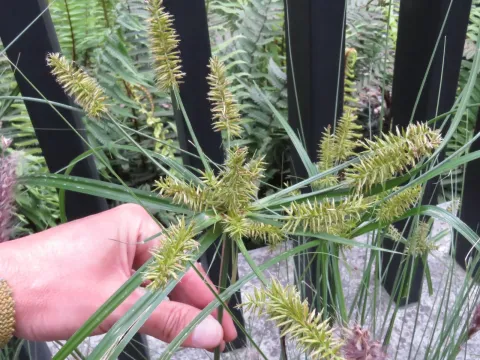
Cyperus hermaphroditus
Cyperus hermaphroditus
Cyperus hermaphroditus is a perennial herbaceous plant belonging to the Cyperaceae family. It is a robust species characterized by a well-developed root system, which contributes to its high adaptability in various environments.
What the section contains
Cyperus hermaphroditus
While the plant reproduces mainly vegetatively through rhizomes in its natural habitat, agricultural cultivation often involves seed sowing. Planting should occur in warmed soil after the risk of frost has passed, as young seedlings are sensitive to low temperatures.
To improve germination rates, seeds should undergo pre-sowing treatments, such as soaking in growth stimulants. Sowing depth should not exceed 1–2 centimeters to ensure adequate oxygen access and light exposure for the seeds.
The optimal planting schedule depends on the climatic zone, typically falling in late spring. For nursery-raised seedlings, sowing in greenhouses should begin 4–6 weeks before the planned transplantation to the field.
Once seedlings emerge, maintaining appropriate plant density is crucial to prevent competition for nutrients and space, ensuring vigorous growth and uniform biomass production.
This crop requires high soil moisture levels. It thrives best in fertile, loamy soils that possess the capacity to retain moisture within the root zone, while still allowing for proper drainage.
Cyperus hermaphroditus is a light-loving plant; therefore, fields must be situated in open, well-lit areas. Insufficient sunlight will result in stretched stems and reduced overall biomass, which negatively impacts harvest quality.
Temperature is a key factor for development: the plant grows most actively at temperatures between 20 and 30 degrees Celsius. Temperatures below 10 degrees Celsius significantly slow down vegetative growth.
Application of mineral fertilizers, particularly nitrogen-rich ones, promotes lush vegetative growth. Organic amendments should be incorporated during soil preparation to improve soil structure and water-holding capacity.
Adequate soil aeration is essential to prevent root rot, particularly in heavier soil types where water stagnation can be a major issue. Proper field drainage allows for efficient water management without compromising the plant's health.
The yield of Cyperus hermaphroditus depends on the intensity of management practices and regional climatic conditions. Under favorable conditions, the plant is capable of producing a significant amount of biomass in a single growing season.
Productivity typically peaks in the second or third year after planting as the rhizome system matures. Regular fertilization is necessary to maintain high yield levels over several years of harvest.
Factors influencing biomass production:
- consistent moisture levels during the growing period;
- timely nitrogen fertilization;
- effective weed control during early stages;
- favorable air temperatures throughout the summer.
Adherence to recommended agronomic practices ensures a high yield of biomass, which is valuable for livestock feed or industrial processing. Modern mulching techniques can help conserve soil moisture and boost overall yields.
The quality of the harvested biomass is evaluated based on fiber and protein content, which determines the crop's economic utility and final use cases.
While hardy, Cyperus hermaphroditus can be susceptible to fungal diseases when grown under improper conditions. Rust and leaf spot pathogens are the most common threats, especially when plants are grown in high humidity or dense clusters.
Soil-dwelling pests, such as wireworms, can damage the root system. Continuous monitoring of the fields during the growing season is necessary to detect infestations early and mitigate potential damage.
Protective measures include the use of preventive fungicides and strict crop rotation protocols. Avoiding continuous monoculture on the same site for more than a few years helps prevent the buildup of soil-borne pathogens.
Insecticide application should be based on economic thresholds and integrated pest management strategies. Biological pest control methods are increasingly preferred for their safety and environmental compatibility.
Using clean, certified seeds and disinfecting farming equipment helps prevent the introduction of diseases to the field. Healthy plants with robust growth are naturally more resilient to most environmental stressors.
Harvesting should be timed to coincide with the phase of maximum biomass accumulation, just before seed formation begins. This ensures optimal nutritional value and prevents stems from becoming too lignified and tough.
Mechanical harvesting is carried out using forage harvesters or mowers set to a specific cutting height. This ensures the survival of the rhizomes for plant regrowth in subsequent seasons.
Once cut, the biomass must be dried promptly or processed (e.g., through ensiling) to prevent spoilage from mold. Rapid drying is critical to preserving the crop's nutrient profile.
When producing hay, monitoring moisture content is vital to prevent overheating or mold development during storage. Proper storage conditions ensure that the harvested material maintains its quality over time.
For industrial applications, the harvest timeline and methods are adjusted according to the requirements of the processing facility, such as specific fiber length or maturity requirements for chemical extraction.