
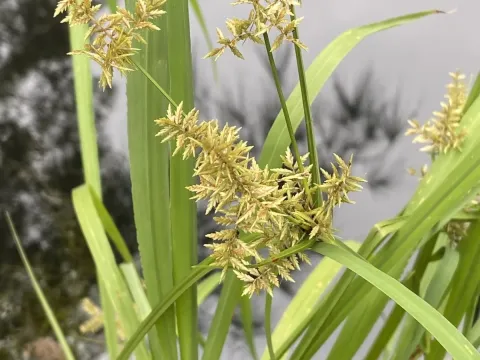
Cyperus fimbriatus
Cyperus fimbriatus
Cyperus fimbriatus, belonging to the Cyperaceae family, is a robust perennial herb known for its preference for wetland habitats. This species has adapted to survive in saturated soils, making it a specialized plant for moist agricultural environments.
What the section contains
Cyperus fimbriatus
The morphology of this plant includes distinctive triangular stems and a complex rhizome system. This structure is highly efficient for nutrient storage and survival in fluctuating water levels typical of its natural range.
For optimal growth, the crop requires consistent moisture and high exposure to sunlight. It thrives in loamy or peat-based soils that retain water well but do not suffer from long-term toxic stagnation.
The cultivation site must be managed to maintain a balance of water and aeration. While it is hardy, productivity is significantly influenced by the nutrient availability in the soil, particularly nitrogen and phosphorus levels.
This crop is often found in temperate to subtropical regions. It performs best in areas where the growing season is long and provides steady moisture, ensuring continuous biomass accumulation throughout the warmer months.
Harvesting Cyperus fimbriatus requires careful timing to ensure high-quality biomass. The ideal window for cutting is just before the plant reaches full maturity, ensuring the fibers remain flexible and the nutrient content is high.
When intended for livestock fodder, early harvesting is critical to avoid the accumulation of lignified fibers in the stems, which can make the forage unpalatable and harder for animals to digest.
Specialized harvesting equipment designed for wetlands is necessary to minimize soil compaction and protect the root system. This ensures the plant can regenerate efficiently in the following growing season.
Post-harvest processing involves rapid drying techniques, such as mechanical air-drying or stacking in well-ventilated sheds, to prevent fungal growth caused by the high moisture content of the stalks.
Industrially, the harvest can be processed for fiber production. In this case, the plants are collected when the stems are fully developed, providing a durable raw material suitable for woven products or paper manufacturing.
The plant is generally resilient, but it can be affected by specific fungal pathogens common to sedges. Rust and leaf spot diseases are the most frequent issues, especially in areas with poor air circulation.
Pests such as stem borers can cause significant damage to the biomass quality. These insects tunnel into the stalks, weakening the plant and creating entry points for secondary bacterial infections.
- Fungal rust infections on leaf tissue
- Stem-boring insects causing tissue decay
- Root rot resulting from stagnant, deoxygenated water
- Snail and slug damage during the early developmental stages
Integrated pest management (IPM) is essential, focusing on biological controls and maintaining proper plant spacing to allow airflow, which reduces the prevalence of fungal diseases significantly.
Proactive monitoring of the fields during humid periods is recommended. Early detection of signs of decay or pest activity allows for localized treatment, saving the rest of the crop from widespread infestation.