
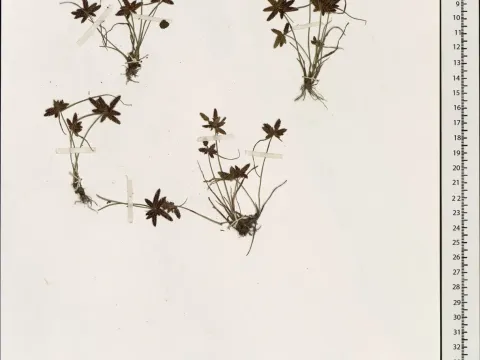
Cyperus diaphanus
Cyperus diaphanus
Cyperus diaphanus is a perennial herbaceous plant belonging to the Cyperaceae family. It is typically associated with wetland ecosystems, displaying high adaptability to saturated soil conditions and marshy environments.
What the section contains
Cyperus diaphanus
The plant features a triangular stem structure and slender leaves, which are typical characteristics of the Cyperus genus. Its rhizomatous root system allows it to persist in flooded soils, effectively anchoring the plant in soft, nutrient-rich substrates.
Regarding climate requirements, this species favors temperate to subtropical zones where water availability is consistent throughout the growing season. High humidity levels are crucial for maintaining optimal leaf turgor and preventing growth stunting.
Soil management for this crop involves ensuring high organic content, as it thrives in silt or clay-based soils near riparian zones. It requires ample exposure to sunlight to maximize biomass production and support its rapid growth cycle.
From an agricultural standpoint, the plant serves an important function in phytoremediation projects and erosion control, as its extensive roots stabilize soil structures effectively in waterlogged areas.
The primary threats to Cyperus diaphanus include infestations by leaf-mining insects and aphids, which can significantly reduce the photosynthetic capacity of the foliage during the peak growing season.
Fungal pathogens such as rust and leaf blight can emerge under conditions of high humidity combined with poor airflow, leading to chlorosis and potential tissue necrosis on the leaves.
Root rot pathogens are a persistent threat if the water quality is poor or if there is excessive decomposition of organic matter in the immediate vicinity of the root system, causing hypoxic stress.
Pest management relies on cultural practices, such as maintaining appropriate plant spacing to ensure adequate airflow, which is the most effective method for reducing disease incidence in aquatic crops.
Farmers should also monitor for invasive weeds that may compete for nutrients, especially in the early stages of establishment, ensuring that the Cyperus crop remains the dominant species in the stand.