
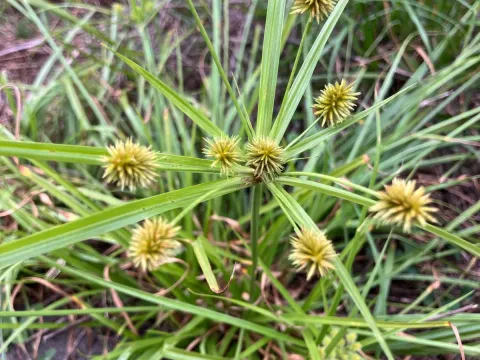
Saffron flatsedge
Cyperus croceus
Saffron flatsedge (Cyperus croceus) is a perennial herbaceous plant belonging to the Cyperaceae family. It is known for its robust root system and adaptability to environments that are typically considered challenging for traditional field crops.
What the section contains
Saffron flatsedge
Originating from tropical and subtropical regions of the Americas, this species is well-adapted to moist and marshy habitats. Its ability to thrive in wet soil conditions makes it a significant species in specialized agricultural ecosystems where water management is a primary focus.
The plant requires high levels of soil moisture to reach its full development potential. While it can withstand occasional waterlogging, it prefers well-drained but consistently moist, nutrient-rich soils with a slightly acidic to neutral pH balance.
Climate requirements include a warm growing season with temperatures ranging between 22 and 28 degrees Celsius. The species is highly sensitive to frost, and its growth is significantly stunted in regions with cold winters, necessitating a tropical or warm temperate climate for successful production.
Agricultural management requires attention to planting density and hydration. Farmers should ensure adequate spacing to maintain air circulation, combined with balanced fertilization to support the rapid growth of the plant's dense foliage.
The crop is susceptible to several fungal diseases, particularly during periods of high humidity and poor ventilation. Root rot and foliar blight are the most common issues that can affect total biomass yield if not monitored correctly.
Pests such as aphids, mites, and various soil-dwelling larvae can cause physiological stress to the plant. These pests feed on the nutrient-rich sap, which often leads to stunted growth and reduced overall health of the crop stand.
Integrated pest management (IPM) is recommended for Saffron flatsedge. This includes the use of resistant varieties, crop rotation, and the periodic application of environmentally safe fungicides and insecticides to manage population outbreaks.
Cultural control methods involve maintaining clean fields by removing crop debris immediately after harvest. This practice reduces the survival rates of over-wintering fungal spores and insect eggs that could threaten the subsequent growing season.
Regular scouting of the fields is essential for early detection of potential threats. By addressing issues at the first sign of damage, producers can successfully prevent widespread crop loss and ensure stable productivity throughout the season.