
Krause's Sedge
Carex krausei
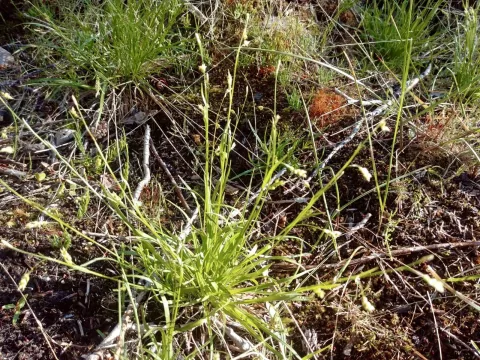
Krause's Sedge (Carex krausei) is a perennial herb belonging to the Cyperaceae family. It is a highly specialized species typically found in arctic and alpine environments across the Northern Hemisphere.
What the section contains
Krause's Sedge
The plant thrives in moist habitats, including wet meadows, streambanks, and tundra ecosystems. Its growth habit is characterized by rhizomatous roots, allowing it to colonize challenging substrates effectively.
Regarding climatic needs, this species is well-adapted to cold temperatures and short growing seasons. It requires consistent soil moisture and avoids environments prone to prolonged desiccation.
Soil preferences lean towards neutral to slightly acidic conditions with moderate organic matter content. The species demonstrates remarkable cold hardiness, essential for survival in its natural range.
In terms of agricultural and ecological utility, this sedge is primarily valued for soil stabilization and its role as a stable component of arctic vegetation cover.
Fungal infections, particularly rusts and blights, pose significant threats to the biomass production of this plant, especially during humid summer seasons.
Pests such as aphids and various leaf-mining insects can compromise the health of the foliage, leading to a reduction in photosynthesis and plant vigor.
Overgrazing by livestock or wild herbivores often leads to significant population declines in areas where the sedge is used for pastoral purposes.
Changes in local hydrology, such as drainage or prolonged droughts, severely impact the survival of these moisture-dependent plants in their native habitats.
Climate change, which alters traditional moisture regimes in tundra regions, is considered a critical threat to the long-term viability of the species.