
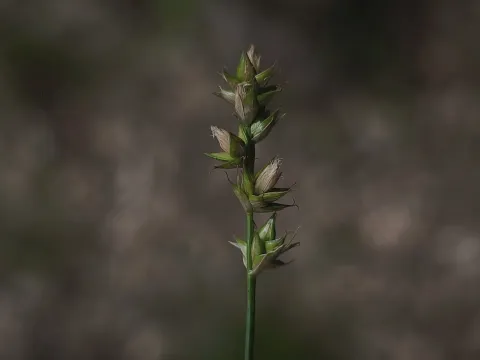
Pairae's Sedge
Carex pairae
Pairae's sedge (Carex pairae) is a perennial member of the Cyperaceae family. It is recognized for its ability to form stable, tussock-like growth patterns in various temperate habitats.
What the section contains
Pairae's Sedge
Propagation is primarily through seeds. In a natural agricultural cycle, seeds typically germinate in early spring after being exposed to winter cold, which satisfies the stratification requirement.
When overseeding pastures, it is recommended to sow seeds in late autumn to ensure early establishment once temperatures rise above freezing in the spring.
The seedling stage is the most vulnerable phase. Providing a clean seedbed free of aggressive competing weeds is essential for successful establishment.
Once established, the plant develops a robust root system that stabilizes the soil and allows for competitive growth against other meadow species.
This species is highly adaptable, preferring light to moderate shade but performing well in open meadows. It is common in areas with well-drained soils.
Soil requirements for Pairae's sedge include a preference for slightly acidic to neutral substrates. It is not overly demanding in terms of nutrient levels.
Water availability is critical during the spring growth phase. While it is relatively drought-tolerant once mature, consistent moisture promotes higher biomass production.
It performs best in areas where groundwater levels are not constantly saturated, as long-term waterlogging can inhibit root respiration.
The plant demonstrates excellent winter hardiness, allowing it to persist in regions with harsh winter conditions without significant loss of vigor.
The economic value of Carex pairae lies in its role as a pasture component. It contributes to the overall stability and grazing capacity of the land.
As a forage crop, it is most nutritious when harvested or grazed during the vegetative stage. As the plant approaches the reproductive phase, its silica content increases.
Grazing animals often consume this sedge when it is young and succulent. It serves as an important filler in complex meadow ecosystems.
Regular maintenance of the meadow through controlled grazing prevents the plant from becoming overly coarse, thereby extending its useful forage window.
Beyond grazing, the plant helps reduce erosion on sloping terrains by binding the soil with its extensive fibrous root system.
Common plant diseases include various fungal infections, such as rusts and leaf spots, which typically appear during periods of high humidity and poor ventilation.
Insect pests, including leaf miners and small coleopterans, can damage the foliage. While usually not fatal to the plant, heavy infestations reduce photosynthetic capacity.
To mitigate disease risks, farmers should avoid overcrowding the field and ensure that there is enough air movement through the sward.
Root-knot nematodes can occasionally pose a threat in wetter, clay-heavy soils, potentially weakening the plant's ability to absorb water.
Integrated pest management, focusing on healthy soil conditions and strategic mowing cycles, is the most effective way to manage these threats.