
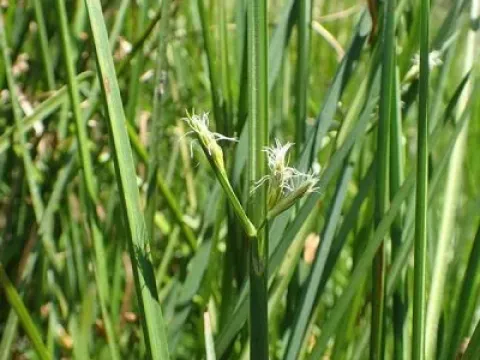
Nippon bulrush
Scirpus nipponicus
Nippon bulrush (Scirpus nipponicus) is a perennial herbaceous plant belonging to the Cyperaceae family. It is a hydrophytic species naturally occurring in wetlands, marshes, and shallow water bodies where it forms dense, productive stands.
What the section contains
Nippon bulrush
The plant features a strong, creeping rhizome system that allows it to spread effectively across water-saturated substrates. Its stems are upright, slender, and sturdy, designed to withstand the hydro-dynamic conditions of its natural habitats in East Asia.
Optimal growth requires high sunlight exposure and consistent moisture levels. The plant thrives in nutrient-rich silty or organic soils that support active root respiration even under submerged or waterlogged conditions.
Regarding climate, the species is well-adapted to temperate regions, exhibiting significant cold tolerance during the dormant winter period. It prefers stable hydrological conditions without excessive fluctuations that could disrupt its nutrient uptake process.
In economic terms, this species is utilized for biological wastewater treatment, shoreline stabilization, and as a source of biomass for decorative or industrial crafting purposes, highlighting its versatile role in landscape management.
Major threats to the cultivation of Nippon bulrush include fungal pathogens that cause leaf spot and rhizome rot, particularly in stagnant environments where air circulation is limited and plant density is too high.
Pests such as stem-boring insects can inflict damage on the vascular tissues, reducing the structural integrity and overall vigor of the plants. Proactive monitoring is essential to prevent localized outbreaks from spreading across the area.
Competition from other aggressive wetland species and invasive weeds can hinder the establishment of healthy stands. Managing plant density and removing competing flora is crucial for maintaining the productivity of the crop.
Nutrient deficiencies, particularly in substrates with low mineral content, often result in stunted growth and thinner stems, which reduces the potential yield of harvestable biomass for commercial use.
Abiotic stressors, such as sudden changes in water pH or contamination by chemical runoff, pose a significant risk to the plant's health. Maintaining water quality is paramount for sustaining long-term growth and crop survival.