
Pale straw sedge
Carex albolutescens
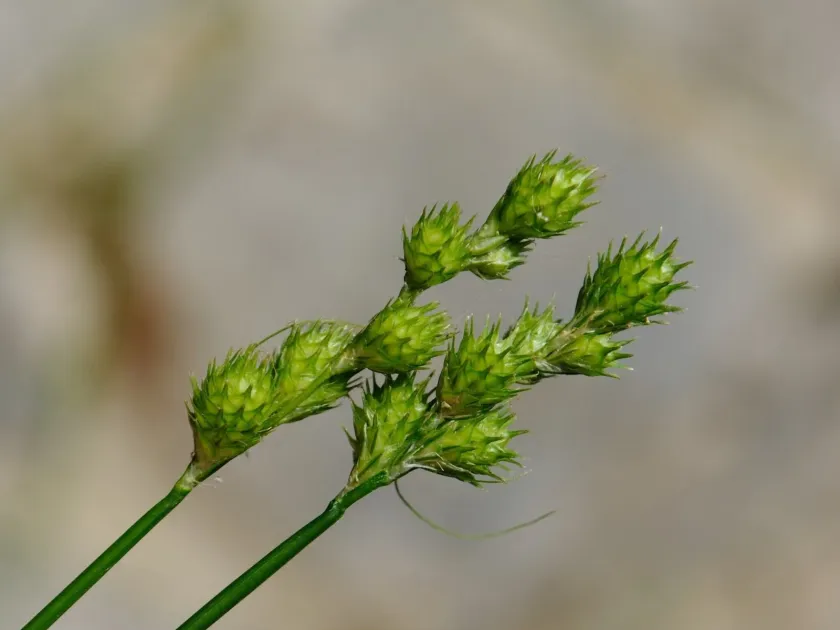
Description
Growing requirements
Pale straw sedge (Carex albolutescens) is a perennial herbaceous plant belonging to the Cyperaceae family. Native to North America, this species is commonly found in moist meadows, forested wetlands, and riparian zones, where it thrives in hydric soil conditions.
The plant exhibits high environmental adaptability but flourishes best in moist, well-drained soils with a slightly acidic to neutral pH. It is characterized by its ability to tolerate brief periods of waterlogging, making it suitable for periodically saturated environments.
In terms of climatic requirements, Carex albolutescens is resilient, demonstrating high cold hardiness. It prefers temperate regions where moisture levels remain relatively consistent throughout the growing season, though it can survive moderate drought once established.
Agronomic management involves maintaining healthy stands through controlled grazing or periodic mowing. As a soil stabilizer, its extensive root system is particularly valued for erosion control along embankments and in land reclamation projects.
While often treated as a natural component of grassland ecosystems, when managed for agricultural or restoration purposes, it provides valuable cover and contributes to biodiversity. Its ornamental qualities also make it a candidate for managed landscape applications.
Main diseases and pests
Like many sedges, Carex albolutescens is susceptible to various fungal pathogens, specifically rust fungi that manifest as discolored spots on the foliage. These diseases are most prevalent in humid, poorly ventilated environments.
Insects such as sedge-specific moths and beetles can pose threats by feeding on the leaves or developing seeds. In extreme cases, infestations may impact the plant's overall vigor and reduce the quantity of biomass produced.
Managing the health of the plant population requires proper air circulation and the avoidance of excessive planting density. Clearing out old, dead organic matter after the growing season helps in reducing the overwintering sites for fungal spores.
Pest control should prioritize integrated pest management (IPM) strategies to avoid disrupting the beneficial insect populations that often inhabit sedge-dominated habitats. Chemical intervention is rarely necessary if site conditions are managed correctly.
Monitoring for signs of stress, such as yellowing or premature wilt, allows for timely intervention. Ensuring balanced soil nutrient levels helps maintain a strong immune system in the plants, making them less susceptible to pathogenic attacks.