
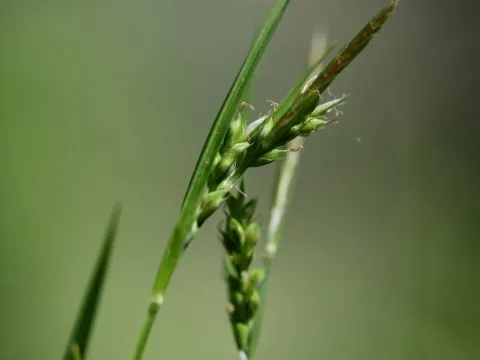
Olbia sedge
Carex olbiensis
Olbia sedge (Carex olbiensis) is a perennial herbaceous plant belonging to the Cyperaceae family. Originating from the Mediterranean region, it has adapted to various temperate climates, establishing itself as a hardy and versatile species.
What the section contains
Olbia sedge
The plant thrives in well-drained, porous soils that provide adequate moisture without waterlogging. It exhibits a high degree of adaptability, performing well in both full sun and partial shade, making it a flexible choice for various agricultural landscapes.
Climate requirements for Carex olbiensis involve moderate temperatures with a preference for mild winters. While it is tolerant to short-term drought, consistent growth is achieved when moderate moisture levels are maintained throughout the growing season.
Regarding soil fertility, this species responds positively to light applications of mineral fertilizers in early spring. Maintenance of a neutral to slightly acidic pH balance in the soil is recommended to promote optimal nutrient uptake and general plant vigor.
Agronomic management of this sedge requires careful spacing to maintain air circulation. As a cluster-forming species, it benefits from periodic division of root stocks every few years to ensure the density and health of the population are preserved.
The main threats to the health of Carex olbiensis include fungal diseases such as leaf rust and powdery mildew, which are typically triggered by poor drainage and excessive humidity levels.
Pests that occasionally impact the crop include various species of aphids and mites, which can cause significant damage to foliage if environmental conditions favor their rapid multiplication.
To mitigate these risks, farmers and growers should prioritize field hygiene, including the removal of dead leaf litter and maintaining proper planting distance to minimize the spread of pathogens.
Integrated pest management strategies are recommended, focusing on cultural practices rather than immediate reliance on chemical treatments, thereby protecting the longevity of the plant stand.
Monitoring the foliage for signs of chlorosis or leaf spots is essential, as these symptoms often serve as early indicators of underlying soil nutrient imbalances or developing pest infestations.