
Pendulous sedge
Carex pendula
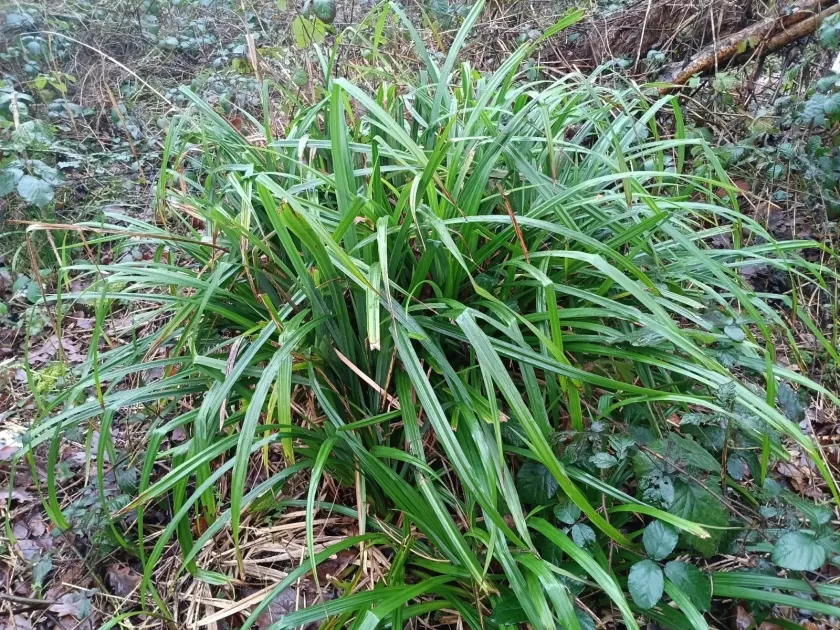
Description
Growing requirements
Pendulous sedge (Carex pendula) is a robust, perennial evergreen grass that belongs to the Cyperaceae family. It is native to damp woodland habitats in Europe, Western Asia, and North Africa, where it thrives in shaded, cool environments.
The plant is highly regarded for its dramatic, arching flower spikes that resemble long pendants, reaching heights of up to 1.5 meters. Its foliage consists of deep green, strap-like leaves that form large, attractive clumps.
This species requires deep, moisture-retentive soils and performs best in heavy clay or loam. It is an excellent choice for damp borders, woodland gardens, and the margins of water features where it can utilize excess moisture.
While Pendulous sedge is quite adaptable, it strongly prefers partial to full shade. In hotter climates, it is essential to provide consistent watering to prevent the foliage from scorching during mid-summer peak temperatures.
Standard cultivation involves dividing mature plants every three to four years to maintain vigor. It is a low-maintenance perennial that adds a sophisticated, architectural structure to any landscape design.
Main diseases and pests
Pendulous sedge is generally very healthy and seldom troubled by severe diseases. However, in poorly ventilated sites or overly damp conditions, fungal leaf spot may occasionally manifest as a minor issue.
Aphids are the most common insect pests encountered during the growing season. While they rarely kill the plant, they can cause yellowing of the leaves if the infestation remains untreated for a prolonged period.
Slugs and snails may graze on young spring growth. Gardeners can use physical barriers like crushed gravel or copper tape around the base of the plant to discourage these common garden pests effectively.
To prevent rot in the root zone, it is crucial to avoid planting in standing water that remains stagnant for long periods. Proper drainage is essential even for plants that enjoy high soil moisture.
If the plant shows signs of decline, it is recommended to prune back old, dead leaves in early spring. This practice promotes fresh growth and eliminates any potential overwintering sites for fungal spores.