
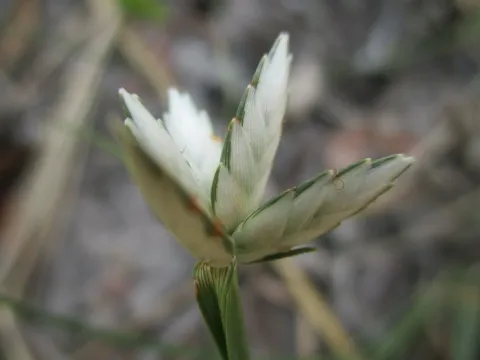
Pearl sedge
Cyperus margaritaceus
Pearl sedge (Cyperus margaritaceus) is a perennial herbaceous plant belonging to the sedge family (Cyperaceae). Native to various African regions, it is known for its resilience and unique rhizome structure that facilitates vegetative reproduction and survival in diverse environments.
What the section contains
Pearl sedge
Successful cultivation begins with choosing the right timing for planting. Sowing should be carried out during late spring once the soil temperature consistently reaches 18 to 22 degrees Celsius, which is optimal for seed germination.
Seeds of Cyperus margaritaceus should be sown shallowly, as they require light to break dormancy and initiate the initial growth phases. Providing a moist, warm environment is critical for uniform emergence.
For industrial applications, planting patterns should account for the plant's natural tendency to spread. Maintaining appropriate spacing between rows ensures that each plant receives sufficient resources and air circulation to prevent overcrowding.
Proper soil preparation before sowing involves incorporating well-rotted organic matter to improve the physical properties of the seedbed and provide early-stage nutrient availability.
Pearl sedge thrives in sunny locations with high light intensity. It is a heliophilic plant, and ensuring maximum exposure to sunlight significantly improves its biomass production and overall vitality.
The plant requires well-drained, sandy-loam soils to prevent waterlogging. While it can adapt to various conditions, poorly drained soils present a significant risk to the health of the rhizomes, which are susceptible to decay.
Irrigation management is essential throughout the growing season. Despite its ability to tolerate short dry spells, supplemental watering during prolonged droughts ensures optimal plant development and productivity.
Fertilization regimes should focus on a balanced supply of macro and micronutrients. A moderate application of nitrogen-rich fertilizer at the beginning of the vegetative phase promotes healthy leaf and stem development.
Maintaining a neutral pH level in the soil is recommended for the best absorption of nutrients. Regular testing and adjustment of soil chemistry can drastically improve the long-term success of the crop.
The primary threat to pearl sedge cultivation is excessive soil moisture, which often leads to root and crown rot. Implementing advanced drainage solutions can mitigate these risks effectively in areas prone to heavy rains.
Pests such as soil-dwelling larvae can feed on the rhizomes of the plant, potentially weakening the entire stand. Integrated pest management, including crop rotation and the use of natural predators, is the preferred control method.
Weed competition poses a challenge during the early stages of establishment. Because young sedge plants grow slowly, proactive weed management through manual or mechanical means is necessary to prevent loss of stand density.
Fungal leaf spots can occur under conditions of high humidity combined with stagnant air. Providing adequate spacing and ensuring the crop is not overcrowded helps maintain the microclimate conditions necessary to suppress pathogen development.
Monitoring for signs of stress or pest infestation should be done on a weekly basis during the active growth period. Early detection and intervention are key to sustaining a healthy and productive crop of pearl sedge.