
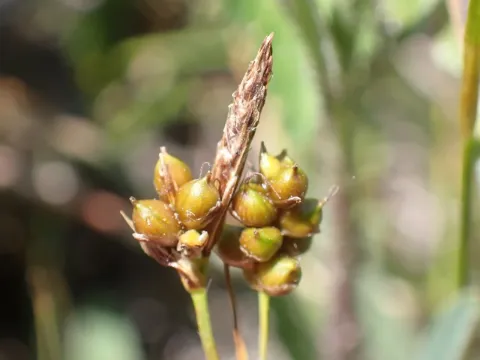
Shining sedge
Carex liparocarpos
Carex liparocarpos, commonly known as shining sedge, is a perennial plant belonging to the Cyperaceae family. It is recognized for its dense tufted growth habit and slender foliage.
What the section contains
Shining sedge
This species is native to dry grasslands and rocky slopes, thriving in regions with significant temperature fluctuations. It prefers well-drained, lime-rich soils and exhibits high tolerance for alkalinity.
The plant is highly drought-resistant, making it an excellent candidate for landscape stabilization and erosion control in arid environments. It requires full sun exposure for optimal development.
Agricultural management of this species is relatively straightforward due to its adaptation to nutrient-poor soils. It does not require frequent irrigation or intensive fertilization regimes.
The biological cycle of the shining sedge is adapted to Mediterranean and temperate continental climates, ensuring survival through harsh, dry summers and cold winters.
Common health issues for this sedge include fungal infections triggered by stagnant water. Rust fungi can affect leaf vitality, especially during periods of high humidity and poor ventilation.
Pests that may impact the plant include various root-feeding larvae and leaf-chewing insects. Preventive monitoring is essential to ensure the vitality of the root system in the early stages.
Controlling competing weed species is crucial, as they can deprive the sedge of light and nutrients, leading to a decline in plant density and overall vigor.
Proper field hygiene, including the removal of dead organic material, helps reduce the population of overwintering pathogens and pests that threaten the plantation.
In cases of severe infestation, integrated pest management practices should be employed, focusing on both cultural control methods and selective chemical treatments.