
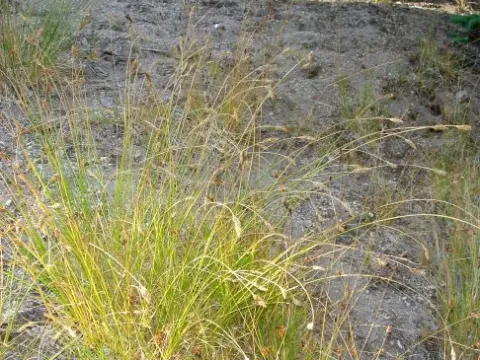
Senta sedge
Carex senta
Sowing or planting of Senta sedge is typically carried out in the spring when soil temperatures reach optimal levels for germination. The timing depends on the specific climatic zone, as sufficient soil moisture is vital for successful establishment.
What the section contains
Senta sedge
Large-scale propagation of this crop is most effectively achieved through vegetative methods, specifically the division of rhizomes. This approach allows for a faster establishment of robust plants compared to seed-based methods.
When using seeds, stratification is highly recommended to significantly improve germination rates in field conditions. Sowing is usually performed in rows, maintaining a density that encourages the formation of a solid turf cover.
Ensuring regular irrigation during the initial development stage is crucial for plant survival against drought. Young sprouts are sensitive to weed competition, making timely weeding a necessary part of early cultivation.
In temperate regions, the best window for planting or sowing is usually April or early May, once the risk of severe night frosts has passed.
Senta sedge belongs to the Cyperaceae family and is an iconic plant for wetland habitats. It displays high tolerance to saturated soil conditions and regular periodic flooding.
The crop prefers sunny or partially shaded locations with sufficient light exposure to fuel photosynthesis. Excessive shade can negatively impact bush density and the long-term viability of the root system.
Soils for this plant should be rich in organic matter, featuring a medium-to-heavy mechanical composition capable of retaining moisture. While it adapts to various pH levels, it performs best in slightly acidic substrates.
The plant possesses a powerful rhizome network that actively stabilizes shorelines, preventing soil erosion in sensitive riparian zones. This makes it an essential tool for ecological restoration projects.
Climatic requirements suggest moderate winter hardiness, making it suitable for cultivation in regions with distinct seasonal temperature changes.
This crop is generally resistant to many common phytopathogens, though improper agricultural management can lead to fungal infections. Various rust species, often appearing as leaf spots, represent a primary concern.
Pests such as weevils or specific insect larvae can damage the root system or leaf blades during outbreaks. Regular field monitoring is essential to manage potential damage early.
Excessive water accumulation in winter combined with deep soil freezing can lead to root decay. Providing adequate drainage on sites prone to water stagnation is a critical management practice.
Competition from aggressive weed species is a significant factor hindering sedge development during the first years. Regular mowing or weeding is required until the sedge forms a dense, self-sustaining turf.
The application of balanced fertilizers can enhance the plant's natural immune system, making it more resilient against external biological threats and environmental stress.