
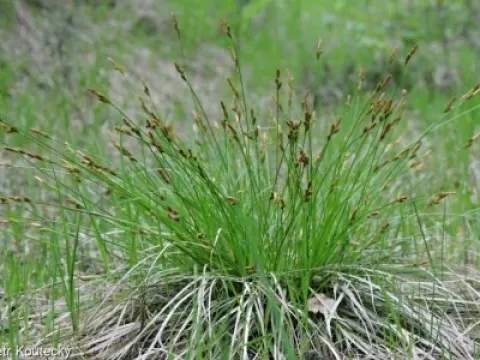
Shadow sedge
Carex umbrosa
Shadow sedge, or Carex umbrosa, is a perennial herbaceous plant belonging to the Cyperaceae family. It is widely valued in landscaping for its ability to form dense, low-growing mats of fine foliage.
What the section contains
Shadow sedge
Vegetative propagation via clump division in early spring is the most efficient method for rapid establishment of new plantings in both gardens and specialized nursery areas.
If seeds are used, a period of cold stratification for 4 to 8 weeks is essential to break dormancy and ensure high germination rates before sowing in spring.
Seedlings should be spaced approximately 25 to 30 cm apart to allow enough room for growth while still ensuring a complete ground cover effect within the first two seasons.
Optimal planting time is during the cool, moist periods of early spring or autumn, which allows the root system to establish without heat-induced stress.
This species thrives in shaded or semi-shaded environments, making it an excellent choice for areas under canopy trees where many other grasses fail to survive.
It prefers well-drained, moderately moist soils. While it tolerates a variety of soil types, it performs best in loamy substrates rich in organic matter.
The plant is highly adaptable and shows good winter hardiness across a broad range of temperate climate zones, surviving deep freeze conditions without specialized protection.
While the shadow sedge is somewhat drought-tolerant once established, it requires consistent moisture to maintain its vibrant green color and lush appearance throughout the growing season.
Soil pH preference is broad, though it generally favors neutral to slightly acidic soil conditions to optimize nutrient uptake and overall plant vigor.
Carex umbrosa is remarkably resistant to most common plant diseases, showing high levels of natural immunity when grown in suitable environmental conditions.
The primary concern for this crop is the development of fungal infections, such as rust or mildew, which can occur if air circulation is poor and humidity levels are too high.
Garden pests like slugs and snails may target the succulent growth of young sedge plants, necessitating monitoring during wet, damp weather conditions.
Cultural control, including the thinning of dense clumps to improve airflow and the removal of debris, remains the most effective strategy for maintaining plant health.
Chemical intervention is rarely required; however, if infestations occur, integrated pest management practices should be followed to protect the surrounding environment.