
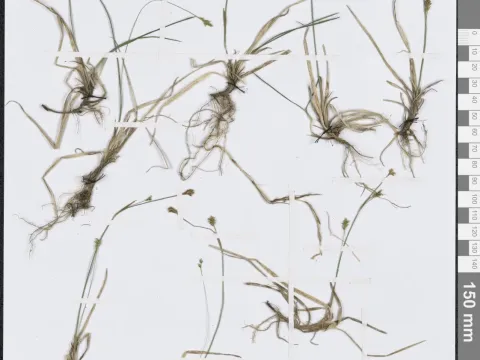
Carex laxa
Carex laxa
Carex laxa is a perennial herbaceous plant belonging to the Cyperaceae family. It is typically found in waterlogged habitats, including fens, bogs, and damp woodlands across the temperate zones of Eurasia.
What the section contains
Carex laxa
The plant grows in loose tussocks, spreading via thin, creeping rhizomes. Its stems are triangular and smooth, reaching heights of 30 to 60 centimeters depending on the nutrient availability of the site.
This species requires high soil moisture and acidic to neutral conditions to thrive. It is highly intolerant of drought, making site selection critical for any cultivation project involving this specific sedge.
Climatic requirements involve cool, temperate environments with consistent moisture throughout the growing season. It exhibits high winter hardiness and can survive prolonged submersion during spring flood events.
Agricultural management is focused on hydro-maintenance. Unlike standard cereal crops, Carex laxa does not require extensive fertilization and performs best in native-like wetland soil profiles.
While not a primary forage crop, Carex laxa serves a vital role in land reclamation and soil stabilization near drainage channels. It forms a dense root mat that protects against erosion.
The biomass yield is heavily dependent on hydrological stability. In controlled wetland environments, the annual production of organic matter can be quite high, making it suitable for composting.
If intended for forage, harvesting must occur during the early vegetative phase. Later in the season, the stems accumulate high levels of silica, making them unpalatable and difficult to digest for livestock.
Studies suggest that the plant can be successfully harvested for biomass energy or industrial mulch production in regions where traditional agriculture is limited by wet conditions.
Proper harvest logistics require low-ground-pressure machinery to ensure the rhizome structure remains intact, allowing for natural regeneration in subsequent seasons.
Common plant diseases affecting Carex laxa include various leaf spot fungi and rusts. These pathogens thrive in stagnant air conditions, emphasizing the need for proper site aeration.
Insects such as sedge-specific beetles or fly larvae can cause damage to stems. Regular monitoring is necessary to prevent widespread infestation during humid, warm summer months.
Weed competition represents a significant threat. More aggressive, invasive plant species can outcompete Carex laxa if the hydrological regime is slightly altered or if drainage increases.
Soil compaction caused by heavy equipment is a primary threat to the longevity of the stand. It destroys the aerobic potential of the rhizosphere and leads to root rot.
Sudden drought stress remains the most critical environmental threat. Any failure in water management can lead to rapid wilting and permanent loss of the plant population.