
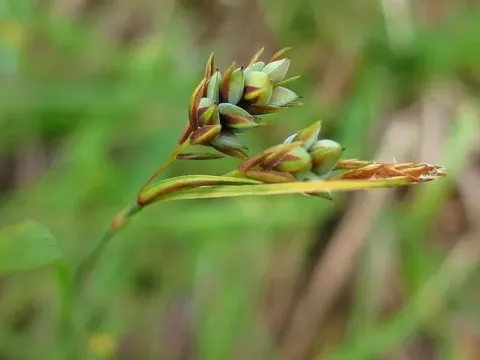
Carex irrigua
Carex irrigua
Carex irrigua, commonly known as the bog sedge, is a perennial herbaceous plant belonging to the Cyperaceae family. It is naturally distributed throughout cool, temperate regions of the Northern Hemisphere, where it occupies marshes, bogs, and wet meadows.
What the section contains
Carex irrigua
This species is highly adapted to water-saturated environments. It thrives in soils with low oxygen availability and is typically found in organic-rich peat substrates, which provide the necessary nutrients for its dense root system development.
Carex irrigua has a strong preference for acidic to slightly acidic soil conditions. Its ability to tolerate prolonged waterlogging makes it a valuable species for reclaiming damp, marginal lands that are unsuitable for conventional cereal or grass crops.
The climate requirements for the bog sedge include cool to moderate temperatures and high annual rainfall. Its remarkable frost resistance allows it to survive extreme winter conditions, resuming growth rapidly when spring temperatures rise.
Agronomic management focuses primarily on preserving the hydrology of the site. Successful cultivation requires maintaining a constant water table level, as excessive drainage will cause the plant to decline in vigor and lose its competitive advantage over other meadow species.
The primary economic use of Carex irrigua is as a roughage source for livestock in areas where intensive crop production is not feasible. It serves as a dependable forage component in natural wetland pastures.
Yield stability is achieved through the plant's aggressive rhizomatous growth habit, which allows it to maintain a thick, uniform stand over many years without the need for periodic replanting or complex field maintenance.
To maximize forage quality, harvesting must occur early in the growing season, preferably before the plants reach the mature fruiting stage, to keep the fiber content manageable and the nutrient digestibility at its highest level.
Beyond forage production, this sedge is used in ecological restoration projects to stabilize wet soils, reduce erosion along waterways, and act as a natural filtration agent for agricultural runoff in catchment areas.
The total dry matter yield can be optimized by adjusting the timing of grazing or cutting, ensuring that the plant population is allowed sufficient time to recover its photosynthetic capacity after harvesting.
The most significant threat to the viability of Carex irrigua is the artificial drainage of wetlands. Lowering the water table exposes the roots to oxidation and allows invasive upland plants to outcompete the sedge population.
While generally hardy, the crop can be susceptible to fungal leaf pathogens during periods of stagnant air and exceptionally high humidity, which can potentially lower the overall nutritional value of the foliage.
Insect pests typically have a negligible impact on industrial yields, although specific lepidopteran larvae may feed on the seed heads, affecting the natural regeneration potential of the meadow.
Excessive trampling by livestock can severely damage the rhizome mat, leading to soil compaction and increased erosion risks. Controlled grazing schedules are essential to prevent the degradation of the plant stand.
Nutrient mismanagement, particularly excessive fertilizer application, can disrupt the natural chemical balance of the bog ecosystem, favoring the rapid growth of undesirable weed species over the indigenous sedge population.