
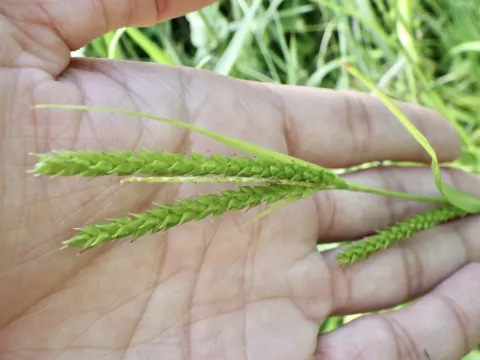
Carex ischnostachya
Carex ischnostachya
Carex ischnostachya is a perennial herbaceous plant belonging to the Cyperaceae family. It is widely recognized for its graceful appearance and adaptability to various environmental conditions within its native Asian range.
What the section contains
Carex ischnostachya
Sowing should ideally occur in the spring, once the soil has warmed sufficiently. Seeds require a period of stratification to break dormancy, ensuring a high germination rate and strong, uniform seedling emergence across the plot.
For optimal results, starting seeds in a controlled greenhouse environment is recommended. This practice protects young plants from extreme temperature fluctuations and pests, allowing for better establishment before transplanting.
Seeds should be covered with a very thin layer of soil, as light is often beneficial for the germination of many sedge species. Maintaining consistent substrate moisture is critical during the first few weeks after sowing.
Spacing is essential for the healthy development of mature clumps. Maintaining a distance of approximately 30 centimeters between individual plants facilitates airflow and ensures that each specimen has sufficient access to nutrients.
This culture thrives in moist, well-drained soils that are rich in organic matter. While it prefers moisture, it is imperative to avoid waterlogged conditions, which can lead to root suffocation and physiological stress.
Carex ischnostachya performs best in locations receiving full sun to partial shade. Exposure to sufficient light helps in maintaining the plant's characteristic form and density, preventing the stems from becoming thin or sparse.
Regarding climate, the plant exhibits excellent hardiness, capable of surviving through cold winters characteristic of temperate regions. It does not require specific winter protection, making it a low-maintenance option for many areas.
Regular fertilization with balanced nutrients during the growing season supports healthy development. Nitrogen-based fertilizers, when applied carefully, encourage vigorous foliage growth throughout the spring and early summer months.
- Optimal pH: slightly acidic to neutral range.
- Watering: consistent, avoiding prolonged drought or stagnation.
- Soil texture: loamy or sandy soils with high humus content.
Fungal pathogens remain the primary concern in poorly ventilated or excessively humid conditions. Leaf spot diseases may occur, necessitating immediate sanitary pruning of affected tissues to prevent the spread of spores.
Pests such as aphids or spider mites can occasionally affect the foliage. Implementing integrated pest management strategies, including the use of biological predators or soft soaps, is often sufficient to control these infestations.
Root rot is a critical threat typically associated with inadequate drainage. Monitoring the soil moisture levels and ensuring that the planting site has been properly prepared are the best preventative measures against this issue.
Weed management is vital during the establishment phase. Using organic mulch, such as wood chips or leaf litter, can effectively suppress weed germination while also helping to maintain optimal moisture levels for the plant.
Seasonal maintenance, including the removal of dead or damaged foliage in late winter, promotes new growth and keeps the plant healthy. Consistent care significantly improves the plant's resilience against seasonal pests and pathogens.