
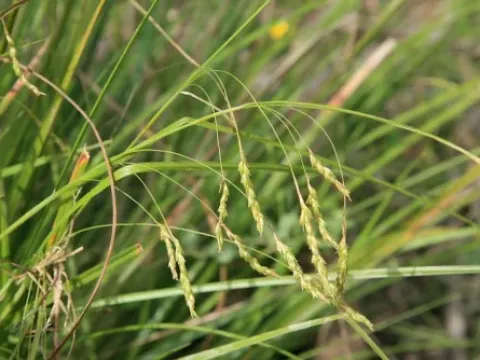
Carex longibrachiata
Carex longibrachiata
Carex longibrachiata, commonly known as the long-bract sedge, belongs to the Cyperaceae family and is recognized for its robust growth and elegant, grass-like appearance.
What the section contains
Carex longibrachiata
The most reliable method of propagation for this species is vegetative division of the root clumps, which ensures consistent genetic traits and rapid establishment in the new location.
When seeding, it is necessary to use high-quality, stratified seeds sown in well-draining soil mixes to ensure an optimal germination rate during the spring season.
Establishing the plants in their final location requires careful spacing; typical planting densities allow enough room for the clumps to expand naturally over several growing seasons.
Providing adequate initial irrigation during the establishment phase is essential for ensuring that the root system penetrates the soil effectively before the onset of extreme weather.
This species thrives best in environments that provide consistent moisture, making it an excellent choice for riparian zones or areas with naturally high water retention.
Carex longibrachiata prefers fertile, humus-rich soil, although it shows a remarkable ability to adapt to diverse substrate types provided that the organic content is sufficient.
Regarding light, it flourishes in full sun to partial shade, where the light levels are sufficient to maintain the characteristic color and vitality of the foliage throughout the year.
It is moderately cold-hardy, but in regions prone to severe frost, it is recommended to apply a protective layer of mulch around the base of the plants to protect the growing points.
Maintaining the correct soil pH is beneficial for long-term health; the plant prefers slightly acidic to neutral soil conditions for maximum nutrient uptake efficiency.
Carex longibrachiata is generally resistant to most common agricultural pests and diseases, which significantly lowers the cost and effort of maintenance in landscape projects.
The main threats to this sedge include poor aeration and excessive waterlogging during the winter, which can facilitate the growth of pathogens affecting the root system.
Occasional infestations by sap-sucking insects might occur in suboptimal growing conditions, necessitating monitoring during particularly dry and hot summer spells.
Preventive measures such as avoiding excessive crowding and ensuring good airflow help maintain the health of the foliage and prevent the onset of fungal infections.
If management is required, utilizing integrated pest management (IPM) practices is preferred to preserve the local ecological balance and plant health.
The harvest of Carex longibrachiata is primarily oriented toward landscape maintenance, where the focus is on annual pruning to sustain its aesthetic appeal.
Spring cleaning of the plant involves cutting back old, dry foliage before the arrival of new spring growth, which revitalizes the appearance and vigor of the clumps.
For ornamental or floral use, harvesting of the leaves should occur after they have reached their peak structural development, ensuring high quality for craft applications.
Proper storage of harvested material involves drying it in a cool, dark, and well-ventilated area to preserve the texture and color of the leaves for future use.
Regular maintenance of the planting area ensures that the sedge remains healthy and visually consistent, serving as an effective perennial cover in various gardens.