
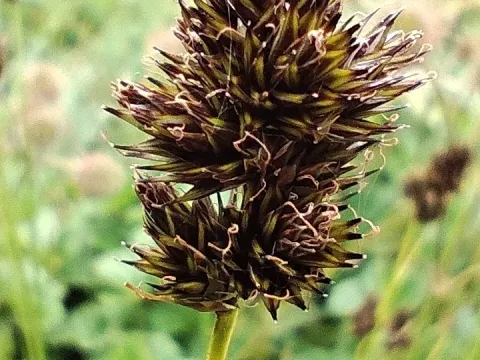
Carex macloviana
Carex macloviana
Carex macloviana is a perennial herbaceous plant belonging to the Cyperaceae family, often referred to as the Falkland sedge or simply Macloviana sedge. It is highly valued for its ability to thrive in extreme mountainous and subarctic environments where other forage species fail to establish.
What the section contains
Carex macloviana
The origin of this species is linked to high-altitude alpine zones and arctic regions. Its natural distribution spans vast geographical areas, including parts of the Americas and sub-Antarctic islands, showcasing its remarkable evolutionary adaptation to cold and variable climate conditions.
The plant requires well-drained soils, typically favoring substrates rich in organic matter or rocky soils found in mountain meadows. It is sensitive to prolonged waterlogging but performs excellently in regions with consistent moisture levels and cool growing seasons.
Climate adaptability is the hallmark of Carex macloviana. It exhibits high winter hardiness and can endure significant temperature fluctuations during the spring, which is critical for successful long-term persistence in harsh agricultural or natural landscapes.
Agronomically, this plant is used for soil stabilization on slopes and as part of the forage base for livestock in high-elevation pastures. It is rarely cultivated as a sole crop but is an essential component of native grass mixtures used for ecological restoration.
The main threats to Carex macloviana involve fungal pathogens, particularly rust fungi, which tend to proliferate in conditions of stagnant air and high humidity. These infections can severely impact the biomass production if not managed through proper meadow maintenance.
Various insects, including leaf-mining larvae and specific species of moths, may feed on the foliage. However, in most managed alpine ecosystems, these populations are kept in check by natural biological control agents inherent to the mountain landscape.
Crop health is best preserved by ensuring that the stand is not overgrazed. Excessive grazing stresses the rhizomes, making the plants more susceptible to opportunistic pathogens and reducing their ability to recover in the following season.
Strategic management of the site is essential. Preventing dense litter accumulation helps reduce the risks associated with fungal spores that overwinter in dead plant material, thereby protecting the vigor of the subsequent growth cycle.
Although chemical intervention is rarely used on this crop, the integration of rotational grazing and controlled mowing can prevent the buildup of pest populations, ensuring sustainable yields for forage and conservation purposes.