
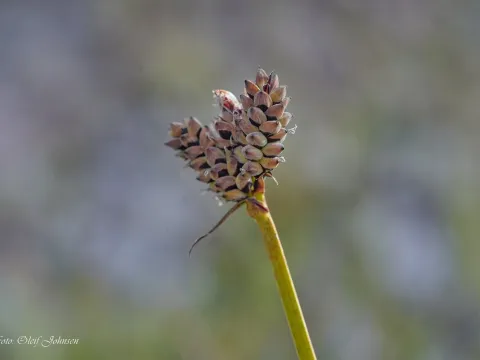
Carex holostoma
Carex holostoma
Carex holostoma is a member of the Cyperaceae family, specifically adapted to the harsh conditions of the arctic and subarctic regions of the Northern Hemisphere.
What the section contains
Carex holostoma
This perennial species typically thrives in moist environments, including fens, wetlands, and tundra meadows, where moisture levels remain consistently high throughout the season.
The botanical structure of this plant features dense rhizomatous growth, which enables it to successfully compete in nutrient-poor and acidic soil conditions.
It is characterized by its ability to withstand extreme frost, making it a critical component of high-latitude vegetation that protects the soil from erosion.
In terms of cultivation or management, ensuring stable moisture levels is crucial, as the plant is highly sensitive to the drought conditions of non-wetland habitats.
Pathogenic threats include fungal infections that may affect leaves during unusually warm and humid summer spells in arctic regions.
Insect larvae can severely damage the reproductive structures, significantly reducing the viability of seeds during the short arctic summer growing season.
Overgrazing by wild herbivores, such as caribou or reindeer, can impact the sustainability of local populations, especially in smaller, isolated patches.
Climate change poses a systemic threat, as shifts in the hydrological cycle can dry out the wetlands essential for the growth of this specialized sedge.
Competition from invading shrubs, facilitated by rising global temperatures, often displaces this species, leading to a decrease in biodiversity in arctic habitats.