
Hop sedge
Carex lupulina
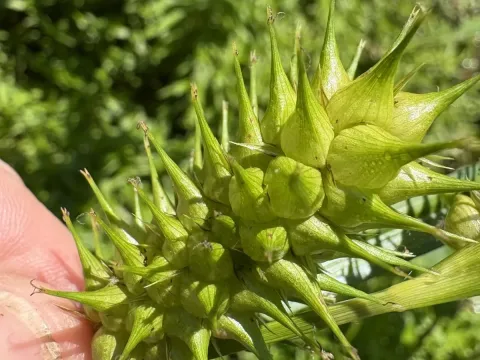
Hop sedge (Carex lupulina) is a prominent member of the Cyperaceae family, widely recognized for its distinctive, hop-like seed spikes that appear during the maturation phase.
What the section contains
Hop sedge
Propagation typically relies on seeds that require a cold stratification period to break dormancy effectively, making autumn sowing a standard practice for this species in natural settings.
Vegetative propagation via rhizome division is a highly effective method for agricultural plots, ensuring faster establishment of the crop in areas designated for soil stabilization.
When sowing, it is crucial to maintain high soil moisture levels consistently, as the seeds and young seedlings are extremely sensitive to desiccation and lack of proper hydration.
Spacing between plants should be calculated based on the intended purpose; dense planting is recommended for erosion control, while spaced planting favors robust individual growth.
This species thrives in high-moisture environments, acting as an excellent indicator of wetland ecosystems, such as marshes, swamps, and riverbanks where water is abundant.
The ideal soil profile for Carex lupulina includes nutrient-rich, organic-heavy soils or silts that remain saturated or flooded for the majority of the growing season.
Hop sedge is highly winter-hardy and adapts well to temperate climates, allowing it to remain vigorous despite significant seasonal temperature fluctuations throughout the year.
While the plant prefers full sunlight to reach its maximum productivity, it demonstrates a commendable ability to tolerate partial shade, provided the moisture requirements are strictly met.
Agricultural use of this crop extends to bio-remediation projects, where its dense root network helps filter impurities and stabilize the soil profile in riparian buffer zones.
Like many sedge species, Carex lupulina can be susceptible to fungal diseases such as leaf spots and rusts, especially if air circulation is poor or if the site remains stagnant.
Insect pests including various aphids and mites may occasionally infest the plants, particularly when climatic stress factors cause a temporary decline in the plant's overall vigor.
Management of these threats involves monitoring the ecosystem balance; maintaining appropriate plant density helps in preventing the rapid spread of diseases within the colony.
Integrated pest management strategies focusing on organic controls are preferred to preserve the ecological integrity of the wetlands where this species is typically grown.
Good cultural practices, such as clearing competing invasive species and monitoring water quality, are the best methods to ensure a healthy and thriving crop of hop sedge.