
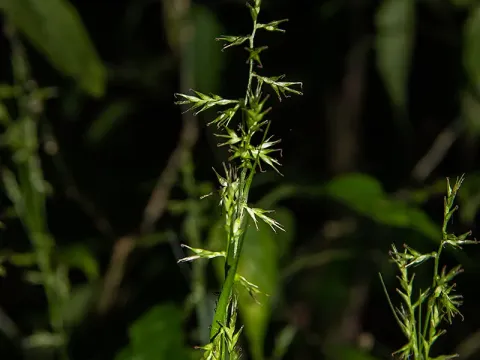
Carex chlorosaccus
Carex chlorosaccus
Carex chlorosaccus belongs to the Cyperaceae family. This perennial herbaceous plant prefers moist habitats and temperate climates in its natural environment. It exhibits high ecological plasticity, allowing it to adapt to various types of substrates commonly found in agricultural landscapes.
What the section contains
Carex chlorosaccus
For successful cultivation, it is essential to choose sites with adequate moisture levels. The plant responds well to loose, organic-rich soils that retain moisture without the risk of waterlogging. Proper soil management is crucial to prevent the root system from drying out during the active growing season.
The crop demonstrates moderate resistance to temperature fluctuations. Optimal development occurs in ranges characteristic of temperate zones with consistent rainfall, where prolonged droughts are infrequent. The plant favors sunny locations but can tolerate partial shade, increasing its versatility for various planting schemes.
Botanical features include the formation of dense tussocks, which significantly contribute to soil stabilization. The narrow, stiff leaves possess high ornamental value and structural durability, making them suitable for both aesthetic landscape design and functional bioengineering projects.
Economic use of this species is primarily focused on ornamental horticulture and landscape infrastructure. Due to its soil-binding capacity, the plant is effectively used for stabilizing shorelines and preventing erosion on slopes, providing a sustainable green solution for land management.
The primary risks for this crop are associated with fungal infections triggered by excessive humidity and stagnant water in the root zone. Effective prevention involves ensuring good drainage systems and maintaining proper plant spacing to allow adequate airflow between individuals.
Insects rarely cause critical damage; however, during dry periods, leaf-eating pests may occur. To maintain the health and visual quality of the plantings, regular monitoring is recommended, alongside the use of biological control agents to manage any potential pest outbreaks.