
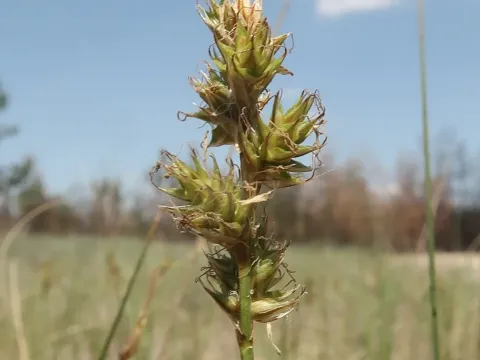
Carex colchica
Carex colchica
Carex colchica, commonly known as the Colchian sedge, is a perennial herbaceous plant belonging to the Cyperaceae family. It is characterized by its creeping rhizomes, which allow the species to propagate rapidly and form dense sods in its native habitats.
What the section contains
Carex colchica
The sowing or transplantation of this species is typically carried out in early spring or autumn. Successful establishment depends on ensuring that the plant has sufficient moisture during the initial rooting phase before it begins to spread across the sandy areas it prefers.
Originating from the regions surrounding the Black Sea and parts of Central Asia, this plant has evolved to thrive in environments where other vegetation often fails. It is specifically adapted to coastal areas and steppes with sandy soil structures.
Botanically, the plant features narrow, rigid, grey-green leaves and stem heights ranging from 15 to 30 centimeters. This structure is an adaptation to dry, sunny environments, reducing water loss through transpiration during the heat of the summer.
Its primary agricultural application is as a phytomelioration crop, specifically used for the stabilization of shifting sands and the prevention of wind erosion. Its strong root system binds the soil particles together, creating a sustainable cover on degraded landscapes.
Carex colchica requires well-drained, light, and aerated soils, particularly sandy or loamy-sand substrates. It exhibits remarkable tolerance to saline soils, making it an excellent candidate for land reclamation projects in difficult or degraded areas.
The climate requirements for this species are relatively moderate; it possesses a high level of drought resistance and can withstand significant temperature fluctuations. It performs best in full sun exposure, which encourages healthy tillering and root development.
Agronomic management is minimal once the plants are established. It is important to maintain appropriate soil moisture levels, as waterlogging is detrimental to the plant's health and can lead to the suppression of its growth or even plant mortality.
Fertilization is rarely required, although light nitrogen application in nutrient-poor environments can stimulate initial vegetative growth. Proper site preparation, including weed control in the first season, is essential for successful long-term cultivation.
The plant is highly winter-hardy and can remain dormant under snow cover during severe winters. Once temperatures rise in the spring, it demonstrates rapid recovery, quickly resuming its growth cycle and continuing to provide soil protection.
Carex colchica shows a high degree of natural resistance to major agricultural diseases. However, in poorly managed environments where soil aeration is low, the potential for root rot or fungal infections increases, requiring immediate intervention in the form of site drainage.
Insect pests are generally localized and primarily target the foliage or the base of the stems during the peak growth season. Monitoring for signs of insect activity is recommended, especially in regions with high densities of agricultural pests common to sedges.
Prevention strategies involve maintaining the correct density of plantings to ensure adequate airflow and avoiding the excessive use of nitrogen fertilizers, which can make the plants more susceptible to certain types of leaf-eating insects.
If chemical interventions are necessary, integrated pest management practices should be followed to minimize the impact on the local environment. Biological control agents are often a preferred and more sustainable alternative for long-term health management.
Regular visual inspections during the active growing season (May through August) are sufficient for identifying potential health issues. Prompt identification and mitigation of any environmental stressors are the keys to maintaining a productive and stable stand.