
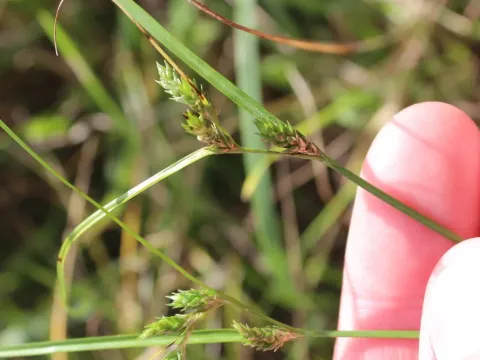
Carex breviculmis
Carex breviculmis
Carex breviculmis, commonly known as short-stemmed sedge, is a perennial herbaceous plant belonging to the Cyperaceae family. It is recognized for its dense, low-growing habit and ability to adapt to diverse ecological niches across its native East Asian range.
What the section contains
Carex breviculmis
The plant thrives in regions characterized by temperate climates, often found in open grasslands, rocky slopes, and forest edges. Its distribution spans across Japan, Korea, and China, where it serves as a key component of the local ground-layer vegetation.
Regarding soil requirements, Carex breviculmis prefers well-drained, nutrient-moderate soils with a pH ranging from slightly acidic to neutral. High organic content helps in maintaining consistent moisture levels while ensuring that roots are not waterlogged.
This species is highly valued for its versatility in light conditions. It demonstrates excellent performance in both full sun and partial shade, making it a robust candidate for various landscaping applications and erosion control projects.
Agrotechnical management is relatively straightforward. Once established, the plants are remarkably drought-tolerant and require little maintenance, such as periodic trimming to promote dense foliage growth and remove old or damaged leaf tips.
The primary threats to Carex breviculmis involve fungal pathogens that typically emerge during periods of high humidity and poor ventilation. Leaf spot diseases are common if the plants are situated in areas with stagnant air or poor water drainage.
Insect pests, including occasional infestations of aphids or leaf-feeding caterpillars, can affect young tissue. However, healthy, well-spaced plantings usually possess enough vigor to withstand minor pest pressure without requiring heavy pesticide intervention.
Root rot, often caused by Fusarium or Pythium species, poses a significant risk if the soil remains excessively wet. Ensuring adequate soil aeration and choosing sites with proper slopes for water runoff is critical for the long-term survival of the stand.
Competition from aggressive weeds is a primary concern during the initial growing season. Establishing a clean seedbed and utilizing mulching techniques can effectively reduce weed competition while the sedge slowly builds its dense, protective mat.
To ensure healthy development, agronomists recommend regular scouting for signs of stress or infection. Early detection of environmental stressors often allows for corrective adjustments, such as improving drainage or adjusting the nutrient balance, before significant damage occurs.