
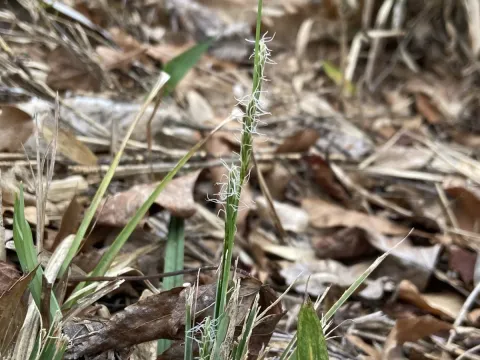
Carex baltzellii
Carex baltzellii
Carex baltzellii, commonly known as Baltzell's sedge, belongs to the Cyperaceae family. It is a perennial herbaceous plant native to the southeastern United States, primarily thriving in the moist, shaded environments of Florida and Alabama.
What the section contains
Carex baltzellii
The plant is distinguished by its dense, clumping growth habit and attractive dark green foliage. Its ability to remain evergreen in suitable climates makes it a staple for low-maintenance garden designs and shady perennial borders.
In terms of growing requirements, Carex baltzellii performs best in well-drained, nutrient-rich soils. It is highly shade-tolerant, making it an excellent choice for woodland gardens or areas under dense tree canopies where sunlight is limited.
Moisture management is key for this species. While it enjoys consistent moisture, it is sensitive to waterlogged conditions, which can lead to root stress. Providing a balanced, well-aerated soil environment is essential for long-term health.
Cultivators value this sedge for its soil-binding properties and year-round visual appeal. It serves as a great groundcover alternative to traditional lawn grasses in shaded areas, effectively reducing soil erosion and competing with unwanted weeds.
Carex baltzellii is generally resistant to many common plant diseases. However, in poorly ventilated or excessively humid areas, there is a risk of fungal issues such as leaf spot or root rot if the soil remains constantly saturated.
Pests such as aphids or spider mites can occasionally affect the plant, particularly during prolonged drought periods when the plant's natural defenses are slightly weakened. Monitoring foliage density is a good way to catch early infestations.
Slugs and snails can be a nuisance for younger plants, feeding on the tender growth. Maintaining clean surroundings and removing dead organic debris can help discourage these pests from settling near the sedge clumps.
To prevent potential threats, ensure proper spacing between individual clumps. Good air circulation is one of the most effective ways to naturally manage the humidity levels around the foliage and minimize the chance of fungal outbreaks.
Chemical intervention should be a last resort. Focusing on healthy growing conditions—proper sunlight, good drainage, and regular observation—is usually sufficient to maintain a thriving Carex baltzellii population throughout the growing season.