
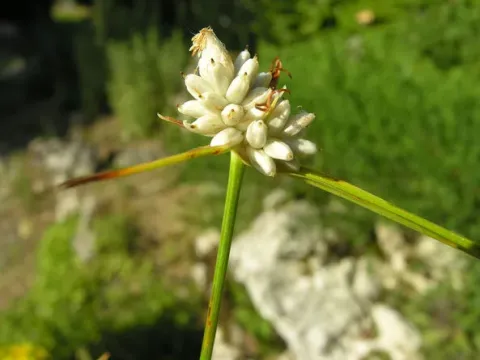
Carex baldensis
Carex baldensis
Carex baldensis, commonly known as the Baldensis sedge, is a perennial herbaceous plant belonging to the Cyperaceae family. It is native to the mountainous regions of Europe, where it thrives in alpine and subalpine meadows, typically found on limestone-rich, well-draining soils.
What the section contains
Carex baldensis
Botanically, the plant forms dense, compact tufts of narrow, grass-like leaves. Its most distinctive feature is its charming white flower spikes, which emerge prominently in late spring and early summer, adding a unique aesthetic appeal to the landscape.
Cultivation of Carex baldensis requires specific environmental conditions. It performs best in well-drained, gritty, or sandy soils with a neutral to slightly alkaline pH. Proper drainage is essential, as the plant is highly susceptible to root rot if subjected to waterlogging.
The plant is highly cold-hardy, well-adapted to the harsh conditions of high altitudes. It thrives in full sun, which helps maintain the plant's compact form and encourages prolific flowering. In landscape architecture, it is primarily valued for rock gardens, alpine troughs, and edge plantings.
Beyond its ornamental use, Carex baldensis serves as a valuable component in ecological restoration of high-altitude habitats. It is a slow-growing, low-maintenance species, making it an excellent choice for modern xeriscaping projects where water conservation is a priority.
The most common health issues for Carex baldensis are related to cultural errors, particularly over-irrigation. Excessive moisture in the crown area can lead to fungal crown rots, which often manifest as browning or dieback of the inner foliage.
Pests are rarely a major issue for this species in well-maintained gardens. However, occasionally, sap-sucking insects like aphids can cluster on the flower stalks during periods of drought stress, necessitating mild insecticidal soaps if populations reach damaging levels.
Weed management is critical during the initial establishment phase. As a relatively slow-growing plant, Carex baldensis can easily be outcompeted by aggressive grasses or invasive weeds, which should be removed manually to ensure the sedge receives adequate nutrients and light.
To maintain plant vitality, it is recommended to perform seasonal sanitation by removing dead or yellowed leaves in early spring. This practice improves air circulation through the clump and prevents the buildup of organic debris that could harbor fungal spores.
While generally robust, plants exposed to high humidity and poor ventilation may occasionally show signs of leaf spots. Proper spacing and selecting an open, airy location in the garden significantly reduce the likelihood of these cosmetic and structural health threats.