
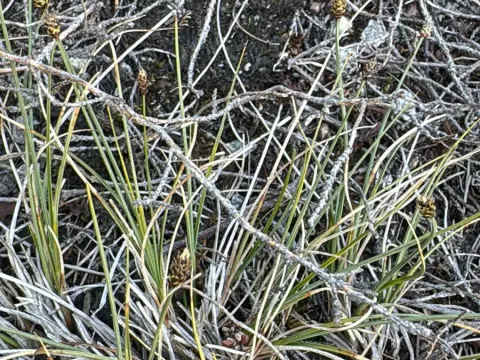
Capitate sedge
Carex capitata
Capitate sedge (Carex capitata) is a perennial herb belonging to the Cyperaceae family. While not a commercial commodity crop, it serves as a critical component of natural grasslands and wetland-adjacent ecosystems across its vast northern range.
What the section contains
Capitate sedge
The plant originates from the circumpolar and alpine regions of the Northern Hemisphere. Its natural habitat includes damp meadows, peatlands, and exposed arctic soils where low competition allows this compact species to thrive successfully.
Soil requirements for this species are relatively specific, as it prefers moist, well-drained conditions. It is known for its tolerance to acidic soil environments, often establishing itself in nutrient-poor substrates where other flora struggle to survive.
Climatic requirements revolve around cold hardiness and the ability to complete a life cycle during a very short growing season. It exhibits remarkable resilience to frost, making it a stable ecological indicator in arctic and subarctic climates.
Botanically, it is recognized by its dense tufted growth habit and its solitary, spherical, or head-like terminal inflorescence. This unique structure distinguishes it from many other species within the complex genus Carex.
Common diseases affecting Carex capitata include various rusts and smuts, which primarily target the inflorescences. Prolonged moisture and poor air circulation within dense stands can promote the development of these fungal pathogens.
Pests that pose a threat to the plant include various species of weevils and larval insects that consume the seeds or succulent stems. Heavy infestations can inhibit the plant's ability to regenerate through natural seed dispersal.
Agricultural threats often stem from overgrazing and trampling by livestock, which destroy the fragile sod layer. Once the root system is damaged, the plant is susceptible to desiccation and competitive displacement by aggressive, non-native grasses.
Hydrological changes in the landscape, such as drainage or extreme flooding, represent significant threats to the viability of capitate sedge populations. Maintaining a consistent moisture level is vital for the long-term health of the plant.
Preventative measures for managed meadows include monitoring for invasive encroachment and ensuring that the land-use intensity does not exceed the carrying capacity of the native vegetation cover, thus preserving the species' presence.