
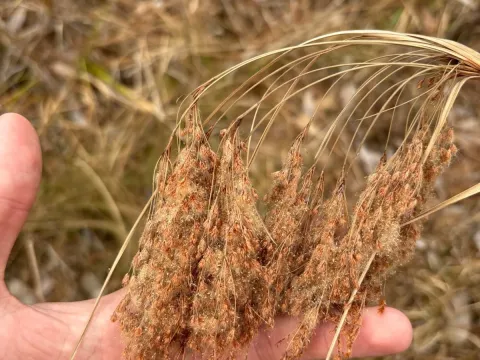
Bulrush
Scirpus
The genus Scirpus, commonly known as bulrush, belongs to the Cyperaceae family and is recognized as a hardy perennial plant typically inhabiting wetlands and aquatic environments.
What the section contains


Bulrush
This crop thrives in waterlogged conditions, preferring fertile silt or peat soils where the water table remains consistent throughout the growing season.
Scirpus species exhibit significant ecological adaptability, being capable of surviving in both standing and slowly moving water, which is a key trait for wetland management.
Optimal growth requires high light exposure, as limited solar radiation significantly inhibits the development of rhizomes and reduces the total biomass production.
The plant is highly resistant to freezing temperatures, with underground rhizomes remaining viable even when the substrate freezes, ensuring perennial regrowth in temperate climates.
In agriculture, bulrush is increasingly utilized for phytoremediation purposes, acting as a natural filter to remove heavy metals and excess nutrients from agricultural runoff.
The biomass of Scirpus is a versatile material used in various industries, including the production of eco-friendly construction insulation and traditional basketry.
Field-grown bulrush provides a sustainable source of cellulose, which serves as a feedstock for the paper industry and has potential in bioenergy applications.
Harvested material is frequently processed into organic mulch or bedding for livestock, contributing to sustainable waste management and soil organic matter improvement.
Proper harvest cycles are essential to maintain the productivity of the stands, ensuring that the plant regenerates effectively without depleting the nutrient reserves of the site.
Fungal diseases, often manifesting as leaf blight or stem decay, pose a significant risk to productivity, especially in densely populated stands with poor air circulation.
Pests such as stem-boring larvae can compromise the structural integrity of the plant, leading to stunted growth and reduced quality of the harvestable fiber.
Degradation of water quality or exposure to excessive chemical pollutants can lead to chlorosis and the systemic weakening of the bulrush population.
Invasive pathogens or extreme fluctuations in water levels can cause root stress, making the plants more susceptible to opportunistic bacterial infestations.
Regular monitoring of water quality is critical, as the plant's role as a filter means it naturally accumulates contaminants, which must be considered in agricultural safety protocols.