
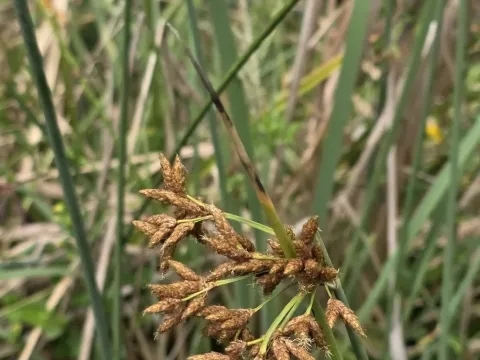
Bulrush
Schoenoplectus
Bulrush (Schoenoplectus) is a perennial aquatic plant belonging to the Cyperaceae family. It is a vital component of wetland ecosystems, naturally found in shallow waters, marshes, and along riverbanks across diverse climatic zones.
What the section contains
Bulrush
The crop requires waterlogged conditions to thrive. It prefers silty or peat-based soils that provide a steady supply of nutrients. The depth of the water is a crucial factor, with most varieties performing best in depths between 20 and 60 centimeters.
Light availability is essential for the biomass accumulation of Schoenoplectus. Full sunlight exposure encourages robust growth and thick, durable stems, whereas shaded environments lead to stunted plants and lower yield quality.
Temperature plays a secondary but significant role in the growing season. While the plant is hardy and can survive freezing temperatures, active stem growth occurs primarily when water temperatures rise consistently above 15 degrees Celsius.
Good agricultural practice involves maintaining the quality of the water environment. Excess chemicals from fertilizers should be avoided, as the plant is highly sensitive to certain herbicides that disrupt its root development.
Bulrush is cultivated for several industrial and environmental purposes. Its primary use involves harvesting stems for traditional building materials, such as high-quality thatch for roofs, which is valued for its insulation and durability.
In environmental agriculture, the crop serves as a powerful tool for phytoremediation. Its extensive root system absorbs excess nitrates and phosphates from agricultural runoff, effectively cleaning water bodies.
The biomass of Schoenoplectus is increasingly used in the production of bioenergy, such as fuel pellets. The high lignocellulosic content of the stems makes them an efficient source of thermal energy.
Additional applications include the manufacturing of eco-friendly mats, industrial packing materials, and cellulose extraction for specialized paper production industries.
- Thatching and construction materials.
- Water purification and wastewater treatment.
- Biofuel and pellet production.
- Handicrafts and woven accessories.
Bulrush is relatively resistant to common pests, but it can be affected by specific insects that bore into the stems during the peak of summer. These infestations are usually managed by maintaining healthy water circulation.
Fungal diseases are the most common threat when the plant is grown in overly dense patches with stagnant water. Such conditions facilitate the growth of pathogens that cause stem rot and root dieback.
Small mammals, particularly rodents, can cause significant damage to the root systems during winter months. Protecting the edges of the plantation is often necessary for large-scale production.
Weed management is rarely needed due to the aggressive growth habit of the plant, but invasive aquatic weeds can occasionally compete for space in the initial stages of establishment.
To minimize disease pressure, it is recommended to clear dead plant matter at the end of every season, ensuring that the water quality remains high for the next year's growth.
The harvest of Schoenoplectus is typically carried out in late summer or early autumn. At this stage, the stems reach their maximum maturity, structural strength, and dryness.
Mechanical harvesting tools are often employed in commercial operations. The stems are cut at the base, ensuring that the submerged rhizomes remain intact to allow for natural regeneration in the following spring.
Post-harvest processing involves bundling the stems and allowing them to dry in a well-ventilated area. Drying is critical to prevent mold formation, which can compromise the quality of the material for building purposes.
Storage of the finished product must be in a dry, covered space. Proper storage conditions ensure that the material maintains its structural integrity and resistance to environmental decay for many years.
Proper harvest management not only provides high-quality raw materials but also maintains the long-term health and productivity of the wetland plantation.