
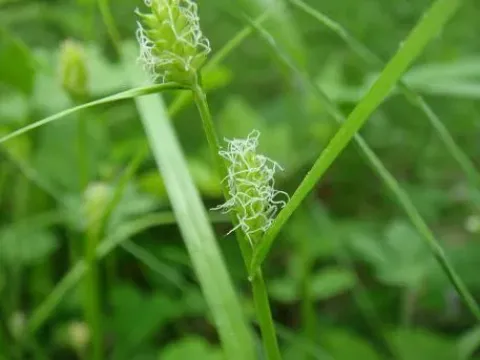
Carex aphanolepis
Carex aphanolepis
Carex aphanolepis is a perennial herbaceous plant belonging to the Cyperaceae family. It is a moisture-loving species that naturally thrives in damp meadows, riverbanks, and marshy landscapes, making it an excellent candidate for wet-site agriculture.
What the section contains
Carex aphanolepis
The plant exhibits significant ecological plasticity, being well-adapted to the temperate climate conditions of East Asia. It is capable of withstanding periodic flooding, which is a key trait for its success in marginal, waterlogged lands where typical crops might fail.
Soil requirements focus on high organic content and consistent moisture. While the plant prefers clay-loam soils, it can successfully establish itself in peat-based substrates, provided there is adequate aeration during the active growing season.
Botanically, it forms dense tussocks, which provide excellent soil stabilization and erosion control. The leaves are narrow and linear, forming basal rosettes that remain productive throughout the growing season, contributing to overall biomass yield.
Light requirements range from full sun to partial shade. The species shows high competitiveness against other wetland grasses, allowing it to dominate in managed agro-ecosystems with minimal intervention after the initial establishment phase.
The primary economic use of Carex aphanolepis revolves around biomass production for agricultural needs. It can serve as a supplemental forage source in wetlands or as a technical plant for reinforcing irrigation ditches and canals.
Biomass productivity is largely driven by soil nitrogen levels and the frequency of harvesting. While its nutritional value is lower than that of premium forage, it serves as a valuable resource for livestock grazing in seasons when other grass species are unavailable.
The plant is highly effective in phytoremediation, absorbing nitrates and phosphates from agricultural runoff. Cultivating it in filter strips provides dual benefits: improving water quality and producing harvestable material that can be composted into organic fertilizer.
Harvesting strategies should be carefully timed to ensure optimal fiber content for composting or mulching purposes. Avoiding late-season harvesting prevents the accumulation of excessive lignin, which would otherwise decrease the digestibility of the forage.
Sustainable plantation management involves rotational cutting, which encourages lateral root development and maintains the density of the tussocks, ensuring consistent yields over several years of cultivation.
Fungal diseases, such as leaf rust, represent the primary threat to the health of the plants, particularly during stagnant, humid weather conditions. High humidity within the crop canopy significantly increases the risk of infection.
Root-feeding pests can also cause substantial damage, especially in saturated soil conditions. Preventive measures include ensuring appropriate planting spacing to promote air circulation, which helps manage the micro-climatic humidity levels.
Competition from invasive species can hinder the establishment of Carex aphanolepis. Agronomists should prioritize early-stage weed management to ensure the sedge can effectively claim its ecological niche within the designated plot.
Hydro-period disruption can weaken the plants, making them susceptible to secondary pathogens. Managing water levels is critical, as extreme fluctuations in the water table often lead to physiological stress and reduced growth vigor.
Regular field scouting is recommended to identify localized outbreaks of disease. Removing affected plants and improving drainage in problematic zones can prevent the spread of pathogens across the entire plantation.