
Bulrush
Trichophorum
Trichophorum, commonly known as bulrush, is a genus of perennial plants in the Cyperaceae family. It is naturally distributed across the Northern Hemisphere, thriving primarily in wetlands, bogs, and arctic tundra regions.
What the section contains


Bulrush
The plant is highly specialized for habitats with constant saturation and acidic soils. It is well-adapted to oligotrophic conditions, meaning it requires very few nutrients to complete its life cycle successfully compared to typical agricultural crops.
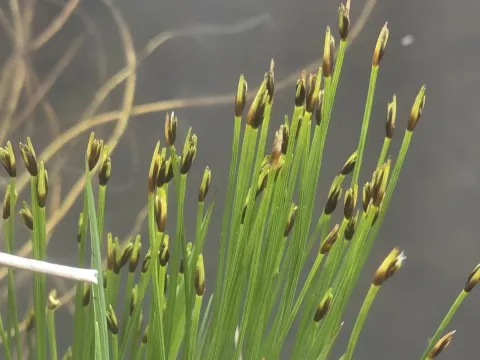
Botanically, Trichophorum is characterized by its slender, grass-like leaves and distinct inflorescences that develop soft, hair-like bristles after flowering. These structures facilitate wind dispersal of seeds across open wetland landscapes.
Its deep and extensive root system is crucial for soil stabilization in waterlogged terrains. This physical adaptation allows the plant to anchor itself in unstable peat or muddy substrates effectively.
In modern land management, Trichophorum is valued for its potential in phytoremediation. It acts as a bio-filter in managed wetlands, assisting in the uptake of excess nutrients and the filtration of environmental runoff.
Trichophorum is remarkably resistant to traditional agricultural pests due to the high silica content in its foliage. The toughness of the leaves makes the plant unpalatable to most herbivorous insects.
The primary threat to the stability of these plants is habitat destruction. Large-scale land drainage for commercial agriculture or peat harvesting causes the most severe damage to existing populations.
Fungal infections, particularly rust diseases, may occur in dense stands with poor air circulation. However, these rarely reach epidemic proportions in well-maintained, healthy aquatic environments.
Management of competitive weeds is generally unnecessary, as Trichophorum outcompetes most other vegetation in its specific, highly saturated environmental niche where other plants struggle to survive.
Maintaining the water table is the most critical management activity. Any long-term desiccation of the site will cause the roots to wither, facilitating the invasion of the site by more aggressive terrestrial grasses.