
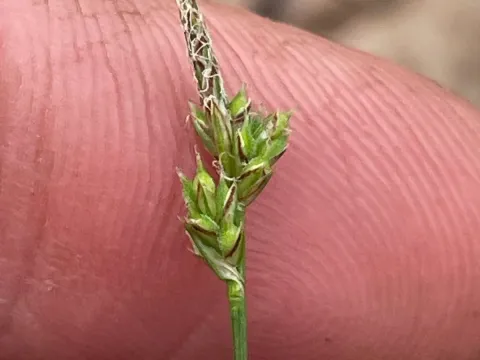
Carex albicans
Carex albicans
Carex albicans is primarily propagated through seeds or by dividing mature clumps in the spring. Seeds should be sown in a well-draining substrate shortly after harvest or in early spring following a necessary stratification period.
What the section contains
Carex albicans
Successful germination requires consistent moisture and temperatures ranging from 15 to 20 degrees Celsius. In open ground, sowing is best performed in April or May, ensuring the risk of late spring frost has completely passed.
For vegetative propagation, divisions should be planted with a spacing of 30 to 40 centimeters. This interval allows sufficient space for the root system to establish without competing for vital soil nutrients.
Planting timing is crucial in regions with hot summers, as young plants need diligent irrigation until they are fully rooted and capable of accessing deeper soil moisture.
When sowing, seeds should be barely covered with soil or fine sand, as light exposure is often a key biological trigger for the germination of many sedge species.
Carex albicans belongs to the Cyperaceae family and is a resilient perennial grass. It is native to North American forest habitats, where it thrives in shaded or semi-shaded environments with loose, well-draining soil.
The plant adapts well to various soil types, ranging from loamy to sandy textures, provided they contain moderate organic matter. It prefers a slightly acidic to neutral soil pH level.
While the plant shows moderate drought tolerance once established, it requires regular watering during its active growth phases to maintain its structural integrity and aesthetic appeal.
Carex albicans exhibits excellent winter hardiness, allowing it to withstand freezing temperatures and dormant soil conditions typical of temperate climatic zones.
This species is highly versatile regarding light conditions, tolerating both deep shade and filtered sunlight, making it an ideal choice for understory planting and shade-loving garden compositions.
The primary use of Carex albicans is in landscape design and ecological restoration. It is highly valued for its ability to form dense sod, which effectively stabilizes soil on slopes and prevents erosion.
In ornamental gardening, the performance of the plant is measured by its vigor in forming dense ground cover, which helps suppress weed growth and reduces maintenance labor.
The plant provides a consistent aesthetic texture throughout the growing season, offering a reliable, low-maintenance solution for gardeners and landscape professionals alike.
To ensure optimal health and appearance, a light spring trim of dead foliage is recommended, which encourages the plant to produce fresh, vibrant leaves during the new season.
Seed production in controlled environments allows for the reliable sourcing of propagating material, provided that inflorescences are harvested precisely at the stage of full maturity.
Carex albicans is generally resistant to most common grass diseases. However, excessive soil moisture can create conditions conducive to root rot or fungal infections at the crown of the plant.
Potential pests include aphids or spider mites, which are more likely to occur during periods of prolonged hot and dry weather in the mid-to-late summer months.
Preventive maintenance, such as ensuring proper soil drainage and adequate air circulation between plants, is the most effective strategy for mitigating the risk of fungal issues.
If pest infestations are detected, the use of biological control agents or targeted insecticides is recommended, provided they are applied in accordance with environmental safety guidelines.
A thorough cleanup of organic debris in the late autumn is essential to eliminate potential overwintering sites for pathogens and insect pests, ensuring a healthy start for the following year.