
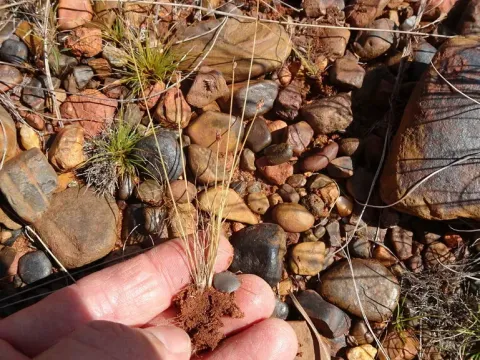
Bulbostylis pusilla
Bulbostylis pusilla
Bulbostylis pusilla belongs to the Cyperaceae family and is recognized for its adaptive properties in specific ecological environments suitable for grassland management.
What the section contains
Bulbostylis pusilla
Successful establishment of the crop depends on thorough seedbed preparation, ensuring that the soil is finely tilled and free of perennial weed competition.
Sowing should be scheduled during the optimal window when soil temperatures are consistently above the minimum germination threshold for the species.
Using high-quality, certified seeds is critical to achieving a uniform plant density, which is essential for maximizing yield in forage production systems.
Light coverage with soil during sowing is recommended, as the small seeds of this species require close contact with moisture to trigger successful sprouting.
This species thrives in well-drained soil types, preferring sandy or loamy textures that allow for healthy root system expansion and prevent waterlogging.
Adequate sunlight exposure is vital for the growth of Bulbostylis pusilla; shaded areas significantly reduce biomass production and overall plant vigor.
The plant demonstrates a tolerance for moderate pH levels, although slightly acidic to neutral soil conditions are considered the most favorable for nutrient uptake.
Proper nutrient management, including the application of phosphorus and potassium, supports robust growth and enhances the plant's resilience against drought stress.
- Sunlight: Full sun is preferred.
- Soil: Sandy loam, well-drained.
- Fertilization: Balanced NPK applications.
The yield potential of the crop is highly dependent on effective moisture management and the availability of nutrients during the rapid growth phase.
Under optimal conditions, the crop can provide consistent biomass, suitable for various agricultural purposes including soil stabilization and supplementary fodder.
Regular monitoring of field conditions allows producers to adjust irrigation and fertilization schedules, which directly impacts the total harvest volume per hectare.
Strategic timing of harvests helps in maintaining a healthy stand that can regenerate effectively for subsequent cuts throughout the growing season.
When managed properly, the stand longevity can extend over several years, providing reliable returns for agricultural enterprises focused on perennial grasses.
Fungal diseases related to excessive humidity and poor soil drainage represent the primary risks to the health and vitality of the stand.
Common insect pests that affect grasses can cause localized damage, requiring integrated pest management strategies to keep populations under control.
Implementing a proper crop rotation schedule helps mitigate the build-up of soil-borne pathogens that might otherwise threaten the long-term viability of the crop.
Early detection of infestations or nutrient deficiencies is key to preventing crop loss, allowing for rapid corrective actions to be taken by the agronomist.
Maintaining high hygiene standards on agricultural machinery prevents the introduction and spread of weeds and diseases within the field area.
Harvesting should coincide with the peak nutritional phase, typically occurring at the beginning of the inflorescence emergence to maximize protein content.
Using appropriate mowing equipment, operators must ensure a consistent cutting height to protect the base of the plants and facilitate rapid regrowth.
Post-harvest processing involves uniform drying of the material in a ventilated area to ensure it reaches the ideal moisture content for safe long-term storage.
Moisture control during storage is the most important factor in preventing spoilage, mold development, and the loss of nutritional value in the harvested material.
Careful planning of the logistics during the harvest window ensures that the biomass is collected, dried, and stored efficiently, preserving its quality for market or farm use.