
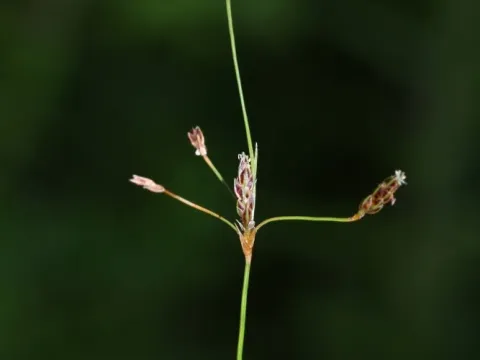
Bulbostylis densa
Bulbostylis densa
Bulbostylis densa is a species of flowering plant belonging to the sedge family, known scientifically as Cyperaceae.
What the section contains
Bulbostylis densa
It typically grows as an annual herb, completing its life cycle through seed dispersal in environments suitable for its germination.
In its natural habitat, seed germination is synchronized with the onset of favorable seasonal temperatures and moisture levels.
Agricultural propagation techniques are not established as it is considered a wild species rather than a cultivated crop.
Research into its seed bank dynamics reveals a high potential for survival in diverse environmental conditions across its native range.
The plant thrives in open habitats, preferring full sun exposure for optimal photosynthesis and morphological development.
Soil preferences lean towards sandy or loamy textures, where good drainage prevents waterlogging of the shallow root system.
It is well-adapted to nutrient-poor soils, allowing it to colonize areas where other vegetation might struggle to survive.
The species exhibits significant drought tolerance, utilizing efficient water usage patterns to survive extended periods without rain.
It shows wide ecological plasticity, being found in various regions ranging from tropical grasslands to savannah ecosystems.
Bulbostylis densa is generally resistant to major agricultural pests due to the chemical and structural properties of its leaves and stems.
The primary threats to its stability are the loss of natural habitats and increasing competition from invasive aggressive flora.
Diseases are rare and typically limited to localized instances of root or crown rot triggered by persistent high humidity levels.
Human activities, particularly intensive land use and overgrazing, significantly impact the local density of its populations.
While not a major agricultural concern, it is studied for its ability to persist in disturbed environments alongside other grasses.