
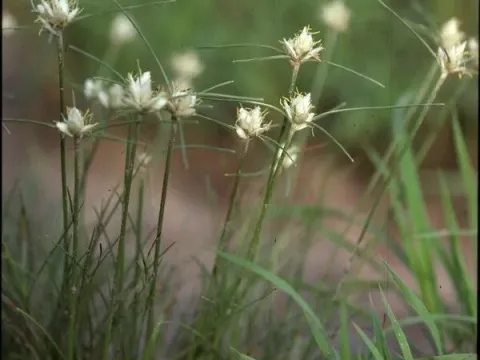
Bulbostylis laniceps
Bulbostylis laniceps
Bulbostylis laniceps is a perennial herb belonging to the Cyperaceae family. It is a highly specialized plant species known for its ability to thrive in challenging environments where typical agricultural grasses would fail to establish.
What the section contains
Bulbostylis laniceps
The native distribution of this species is primarily located in the rocky and sandy landscapes of Southern Africa. It acts as a primary colonizer of poor soils, playing a crucial role in stabilizing soil structures and supporting local biodiversity.
Botanically, it features a dense, tufted habit with leaves often covered in fine hairs, which serves as a physiological mechanism to reduce water loss. This adaptation makes it an excellent model for studying drought resistance in monocotyledons.
Regarding cultivation requirements, the plant prefers well-draining soils with minimal organic content. It requires full sun exposure and is highly sensitive to excessive nitrogen fertilization, which can lead to rapid senescence and increased susceptibility to pathogens.
The economic and agricultural utility of Bulbostylis laniceps is focused on land reclamation. In arid regions, it is used to prevent sand dune shifting and soil erosion, providing a green cover where other forage crops cannot survive due to extreme nutritional deficiency.
The main threats to Bulbostylis laniceps include intensive land development and grazing pressure from livestock, which causes soil compaction and destroys the delicate root systems of the plants. Additionally, the introduction of non-native plant species often results in the competitive exclusion of this endemic herb.
Pests such as specialized larvae can cause significant damage to the floral spikes, reducing the viability of seeds. Fungal infections, particularly root rot, are commonly observed when the plant is exposed to humid conditions that deviate from its natural arid habitat requirements.