
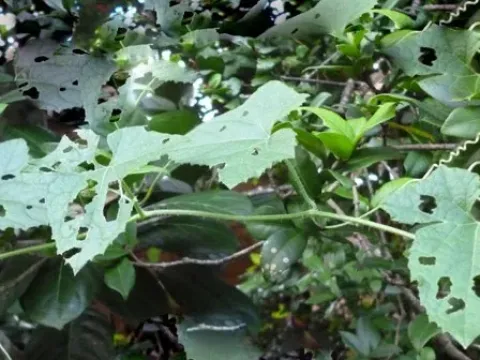
Snake Gourd
Trichosanthes integrifolia
Trichosanthes integrifolia is a tropical vine belonging to the Cucurbitaceae family that thrives in warm climates with long, hot growing seasons.
What the section contains
Snake Gourd
Seeds should be started indoors in seed trays filled with high-quality potting mix about four weeks before the last expected spring frost.
Pre-soaking seeds for 24 hours in lukewarm water helps to soften the hard seed coat and ensures more uniform and rapid germination rates.
The optimal temperature for seed germination is between 25 and 30 degrees Celsius; lower temperatures can lead to seed dormancy or failure.
Transplanting into the garden should only occur after the soil has completely warmed up, as the plant is highly sensitive to cold stress and frost.
This crop requires full sun exposure to flourish and produce high yields, making site selection critical for successful vegetable production.
Well-drained, sandy loam soil with a neutral to slightly acidic pH is ideal for promoting vigorous root development and nutrient uptake.
Trellising is mandatory because the vines can grow several meters long, and keeping the fruit off the ground prevents decay and malformation.
Consistent moisture is needed for growth, but the root zone must not become waterlogged, as excessive humidity often leads to fungal pathogens.
Organic matter such as compost or well-rotted manure should be incorporated into the soil before planting to provide essential nutrients for sustained growth.
Powdery mildew is a common fungal disease that affects this species, particularly in environments with poor air circulation and high humidity fluctuations.
Aphids and spider mites are frequent pests that congregate on the undersides of leaves, causing yellowing and stunted growth if left unmanaged.
In greenhouse settings, whitefly populations can explode rapidly, necessitating the use of biological control agents or targeted horticultural soaps.
Root rot is a major threat if drainage is inadequate, leading to plant collapse during the peak of the flowering and fruit-setting period.
Integrated pest management, including crop rotation and the removal of infected debris, is the best strategy for maintaining a healthy plantation.
Harvesting should be done when the fruits are young and tender, usually before they reach full maturity, to ensure the best culinary quality.
Young fruits are typically harvested 10 to 15 days after flowering, depending on the specific cultivar and environmental conditions during development.
Using a sharp knife or garden shears is essential to cleanly cut the stem without damaging the main vine or adjacent developing fruit buds.
Regular harvesting encourages the plant to maintain its metabolic activity and continue producing new flowers and fruits throughout the season.
The harvested produce should be stored in a cool, humid environment and consumed within a few days to prevent dehydration and loss of flavor.