
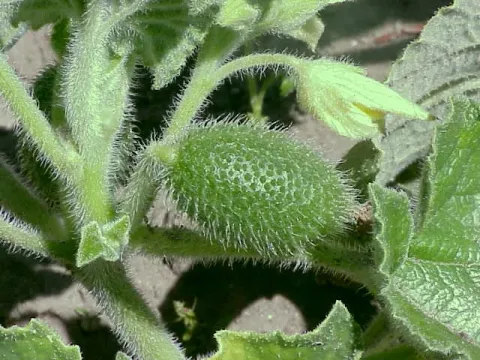
Squirting cucumber
Elaterium
Sowing the seeds of the squirting cucumber should be done when the risk of frost has passed, typically in late spring when soil temperatures reach at least 15 degrees Celsius.
What the section contains

Squirting cucumber
To improve germination rates, it is common practice to soak the seeds in warm water for several hours before planting them into the prepared soil.
Seeds should be planted at a depth of approximately 2 to 3 centimeters, ensuring the soil is kept consistently moist but not waterlogged during the germination phase.
When starting indoors, using biodegradable pots is recommended to avoid disturbing the root system during the subsequent transplantation into the garden.
Space the plants adequately, providing at least 60 centimeters between individuals to accommodate their rapid growth and ensure proper air circulation.
This species thrives in full sun, requiring a location that receives ample direct sunlight for the majority of the day to ensure healthy development.
The plant is highly adaptable to various soil types, although it prefers well-drained, sandy, or loamy soil conditions to prevent stagnant water at the roots.
While the plant is somewhat drought-tolerant once established, providing regular water during the flowering and fruit-setting stages will maximize production.
As a member of the Cucurbitaceae family, it responds well to modest organic amendments, but avoids excessive fertilization, which can lead to sparse fruiting.
It is important to manage the location carefully, as the plant spreads easily and can become an aggressive invader if left unchecked in suitable climates.
Common phytosanitary issues include powdery mildew, which can significantly damage the foliage if humidity levels remain high for extended periods.
Pests such as spider mites and aphids are frequently observed, necessitating early intervention to protect the integrity of the plant tissues.
Implementing a proper crop rotation strategy and maintaining hygiene in the garden are essential practices to minimize the buildup of soil-borne pathogens.
Natural predators like ladybugs can help control aphid populations, providing an ecological solution to pest management in the garden setting.
Care must be taken when handling the plant, as its sap is a potent irritant that can cause allergic reactions on the skin or severe distress if touched to the eyes.
Harvesting requires extreme caution because mature fruits contain a pressurized interior that forcibly ejects seeds and fluid when touched or disturbed.
For safety reasons, gardeners should wear gloves and protective eyewear when working with the plants to prevent accidental contact with the potent seed-dispersal liquid.
Medicinal harvesting targets unripe fruits, which contain specific glycosides utilized in traditional pharmacology for their purgative properties.
Once harvested, the plant material must be processed promptly or stored in a controlled environment to prevent the degradation of its active biological components.
To prevent the natural dispersal of seeds, it is advisable to bag the developing fruits if the goal is to harvest the crop before the explosive release occurs.