
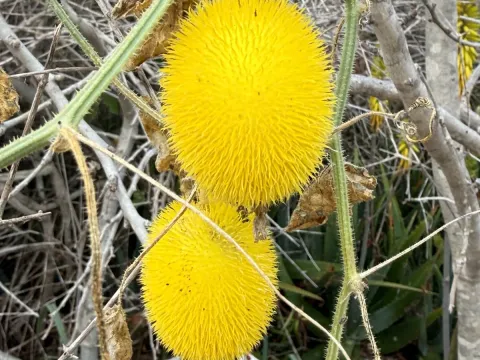
Teasel gourd
Cucumis dipsaceus
The Teasel gourd is a thermophilic annual vine, which dictates that sowing in open ground should only occur after the soil has warmed significantly and all frost risks have passed.
What the section contains
Teasel gourd
In regions with short growing seasons, it is highly recommended to start seedlings in peat pots approximately three to four weeks before the intended outdoor transplant date.
The seeds of this species have a hard, protective coat, so soaking them in warm water or a growth stimulant for about twelve hours prior to planting can greatly improve germination rates.
Ideal germination temperatures range between 22 and 25 degrees Celsius; cooler environments can lead to seed decay before the sprout can successfully emerge from the soil.
Proper spacing is essential due to the vigorous climbing habit of the plant, so allow for at least 60 to 80 centimeters between individual plants and provide adequate vertical support.
Belonging to the Cucurbitaceae family, the Teasel gourd originates from arid parts of Africa and the Arabian Peninsula, creating a specific need for intense sunlight throughout its life cycle.
The plant thrives in loose, fertile, sandy loam or loamy soils that maintain a neutral to slightly alkaline pH, ensuring excellent drainage and aeration for the root system.
While the plant displays drought tolerance, consistent and moderate watering is necessary to encourage full blooming and the development of its unique, spiny ornamental fruits.
Selecting an open, sunny location protected from strong or cold winds is the best practice for placement, allowing the vine to utilize its full vegetative potential.
The crop responds very well to the application of balanced mineral fertilizers rich in potassium and phosphorus, which are critical for fruit set and overall plant vigor.
The primary threats to this culture are fungal diseases, with powdery mildew being the most common, especially during seasons with significant temperature fluctuations between day and night.
In conditions of high humidity or poor airflow, the plants may also suffer from downy mildew, which requires timely intervention with systemic fungicides to preserve the crop.
Pest pressures often come from spider mites, which can proliferate rapidly in hot, dry weather and potentially cause severe damage by draining moisture from the leaves.
Aphids can also pose a risk by feeding on young, tender shoots and transmitting viral diseases that weaken the plant's natural defense systems and lower fruit production.
- Weed management in the surrounding area.
- Regular monitoring of the underside of leaves for early signs of pests.
- Preventive treatments with organic or systemic preparations.
- Proper irrigation management to avoid water-logging the soil.
Harvesting of the Teasel gourd is generally intended for ornamental purposes, as the fruits are prized for their unique, hedgehog-like appearance covered in stiff, coarse hairs.
To preserve the vibrant yellow or orange coloration upon full maturity, the fruit should be carefully cut using shears, leaving a portion of the stem attached to the fruit.
If the cultivation goal is to save seeds for future seasons, the fruits should be left on the vine until they are fully ripe and beginning to turn brown or completely dry.
After collection, the fruits should be dried in a shaded, well-ventilated area, which ensures their durability and longevity as a long-lasting decorative element.
Immature fruits have a lighter green hue and less pronounced thorns; these are often harvested earlier if a specific, less "prickly" aesthetic is desired for floral arrangements.