
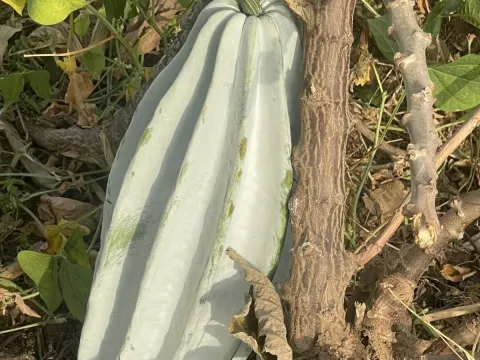
Telfairia
Telfairia
Telfairia seeds are planted at the beginning of the rainy season to provide young seedlings with optimal conditions for root development. In tropical regions, direct planting into the soil at the final site is preferred.
What the section contains


Telfairia
For successful germination, the soil should be well-warmed, with seeds planted at a depth of 3 to 5 centimeters. It is crucial to maintain proper spacing, as the vigorous vine requires significant room to grow.
For plantation establishment, a spacing of at least 2–3 meters between pits is recommended. Utilizing trellises or supports is a key agricultural practice that facilitates plant maintenance and harvesting.
Telfairia seedlings grow rapidly, yet they require protection from weed competition during the early stages. Regular weeding in the first month is critical for establishing a strong root system.
As the plant is a perennial (though often grown as an annual), it is essential to prepare planting pits with organic fertilizers prior to sowing to ensure long-term nutrient availability.
Telfairia is a heat-loving crop belonging to the Cucurbitaceae family, thriving in humid, hot tropical climates. The plant is highly sensitive to frost and low temperatures, requiring stable warmth throughout the season.
Optimal growth temperatures range from 20 to 30 degrees Celsius. High solar intensity is essential for effective photosynthesis and fruit set.
The soil should be loose, well-drained, and rich in organic matter. The crop performs poorly in waterlogged conditions, which can lead to root rot and the development of pathogenic organisms.
An ideal soil pH ranges from slightly acidic to neutral. High moisture retention is beneficial, but any excess water must be managed through proper field drainage.
The plant possesses an extensive vine system, requiring sturdy structures or natural trees to climb, which ensures proper foliage aeration and prevents contact with damp soil.
Telfairia yield depends directly on soil quality, rainfall distribution, and the presence of pollinators during the flowering stage. Under favorable conditions, a single plant produces many large fruits, each weighing several kilograms.
The fruits, often called oyster nuts, contain numerous seeds rich in high-quality vegetable oil and protein. These seeds constitute a significant portion of the fruit weight, making the crop economically viable.
In addition to seeds, young leaves and shoot tips are commonly consumed as nutritious leafy vegetables, allowing for systematic harvests throughout the vegetative cycle.
With intensive management and regular fertilization, yield indicators increase significantly. Timely harvesting is crucial to prevent fruit over-ripening and quality degradation.
The average seed yield per hectare makes this crop an essential food security resource in parts of West and Central Africa where its cultivation is established.
The main threats to Telfairia include fungal diseases, which develop under high humidity and poor air circulation in dense plantings. Powdery mildew is a significant issue for this crop.
Pests, such as various beetles and caterpillars, can damage leaves and young ovaries, impacting plant health. Regular scouting of the plantations is necessary for early detection.
Viral diseases, transmitted by aphids, can cause foliage deformation and reduced productivity. Controlling these vectors is a prerequisite for a stable, high-quality harvest.
Root-knot nematodes can also be harmful, especially when the crop is grown repeatedly in the same location. Proper crop rotation is recommended to minimize soil-borne risks.
Protection strategies include using resistant cultivars, pruning infected parts, and utilizing biological pest control methods to ensure environmental sustainability.
Harvesting begins when fruits reach full physiological maturity, indicated by a characteristic color change of the rind. Waiting for maximum nutrient accumulation in the seeds is essential.
The harvesting process is simple, usually involving hand-cutting the fruits from the vines using a knife or shears. After picking, fruits can be stored for a short period to allow for post-harvest maturation.
Seeds are extracted, cleaned of pulp, and thoroughly dried in the sun or using specialized dryers. Proper drying is a mandatory step to prevent mold during long-term storage.
Leaves and young shoot tips can be harvested continuously throughout the season. Harvesting should be performed carefully to avoid damaging the main vines that support fruit development.
Telfairia seeds must be stored in a cool, dry place protected from rodents. Under proper conditions, they maintain their nutritional and germination quality for an extended period.