
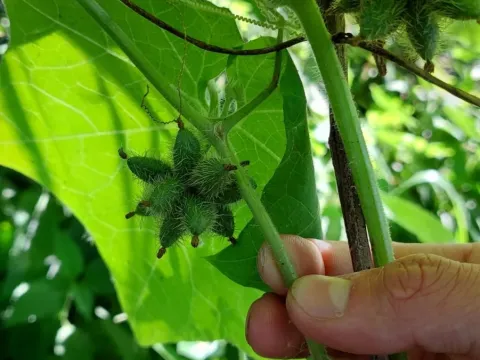
Sicyos polyacanthos
Sicyos polyacanthos
Sicyos polyacanthos is a fast-growing herbaceous vine belonging to the Cucurbitaceae family. The sowing process should begin only after the soil has warmed up significantly, typically reaching 15–18 degrees Celsius, to ensure optimal germination rates.
What the section contains
Sicyos polyacanthos
In warmer climates, direct seeding into open ground during late April is possible. However, in regions with shorter growing seasons, starting seeds indoors in individual pots about a month before the last frost is highly recommended.
The seeds have a robust outer coat; therefore, pre-soaking in warm water or growth stimulants for several hours can greatly enhance uniform germination. Seeds should be planted at a depth of 2–3 centimeters in well-drained, fertile soil.
When using the transplanting method, ensure that the root system remains undisturbed while moving the seedling to its permanent location. Using peat pots can mitigate transplant shock and promote faster establishment in the garden.
Proper spacing is crucial for this vigorous climber. A distance of at least 50–70 centimeters between plants allows for adequate airflow and prevents the development of fungal issues caused by excessive humidity between the foliage.
This plant thrives in full sun exposure. Choosing a location that receives at least 6–8 hours of direct sunlight is essential for strong vine growth, flower production, and the subsequent development of healthy fruits.
The ideal soil for Sicyos polyacanthos is loose, light, and rich in organic matter with a neutral to slightly acidic pH. Poorly drained soils or heavy clay should be amended with compost or sand to improve soil aeration.
Temperature management is vital, as the plant grows best in warm conditions between 22 and 28 degrees Celsius. Extreme cold or temperature fluctuations can stunt growth and hinder the reproductive process of the vine.
Consistent moisture is required throughout the growing season, particularly during the flowering and fruit-setting stages. While the plant likes water, it is important to avoid waterlogged conditions that can cause root rot.
Providing structural support is a fundamental requirement of its cultivation. Installing sturdy trellises, netting, or wooden stakes helps the plant climb and ensures that the foliage receives optimal light while keeping fruits off the damp ground.
The yield of Sicyos polyacanthos depends heavily on the maintenance of a consistent nutrient supply and proper management of the vines. When all environmental requirements are met, the plant produces an abundant supply of small, prickly fruits.
The plant typically begins its fruiting stage approximately 70 to 90 days after emergence. The fruits are known for their distinct appearance and are primarily utilized in specialized culinary or traditional medicine contexts.
Frequent harvesting of the fruit as it reaches technical maturity is encouraged. Regularly picking the fruits signals the plant to continue producing new flowers and developing additional ovaries, thereby extending the harvest season.
Although it is often grown as a niche or ornamental crop, its productivity is quite high under intensive care. Strategic pruning of excess side shoots can also help concentrate the plant's energy toward fruit development.
Storage of the harvest should be handled in cool and well-ventilated areas. Given the delicate nature of the fruits, they are generally intended for prompt use rather than long-term cold storage after being removed from the vine.
The most significant disease threat to this plant is powdery mildew, which manifests as a white, dusty fungal growth on the leaves. Prompt intervention with appropriate fungicides or organic treatments is necessary to prevent severe defoliation.
Root rot and crown rot are common if the soil remains constantly saturated. Maintaining proper soil drainage and ensuring there is no standing water near the base of the plant are critical preventative measures against these pathogens.
Common insect pests, such as aphids and spider mites, often congregate on the undersides of leaves, causing yellowing and stunted growth. Regular monitoring allows for early detection and the application of mild, safe insecticides.
Crop rotation is a key agricultural practice to keep the site healthy. Avoid planting Sicyos or any other Cucurbits in the same patch for at least three consecutive years to break the life cycle of soil-borne pests and diseases.
Maintaining a clean garden environment by removing plant debris at the end of the season prevents the accumulation of inoculum in the soil, which is the best defense against recurrent health problems for this climbing vine.
Harvesting should be performed with caution, ideally using protective gloves, as the fruit surface is covered in numerous small spines. This prevents accidental skin irritation or minor injuries during the collection process.
Use sharp pruning shears to cut the fruit stem rather than pulling it by hand. This technique preserves the integrity of the fruit's skin and prevents unnecessary wounding, which helps maintain quality and freshness for longer periods.
Collecting fruits in the early morning is ideal, as the cooler temperatures help maintain turgor pressure within the fruits. This ensures the best texture and appearance for culinary use or market presentation.
Immediate sorting is required after the harvest. Any damaged or bruised fruits should be removed to prevent them from spoiling the remaining healthy ones during storage or transportation to the kitchen.
Once the season concludes, the entire vine structure should be cleared from the trellises and disposed of properly. Do not compost infected plant parts to prevent the spread of diseases to other areas of the garden.