
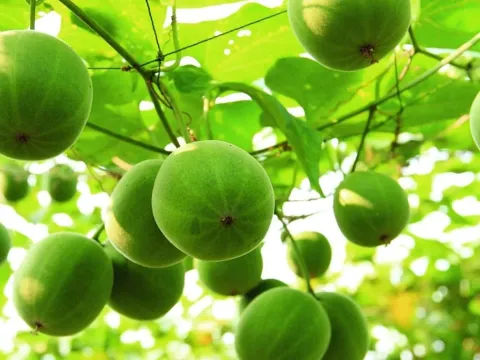
Siraitia
Siraitia
Siraitia (Siraitia grosvenorii) is a perennial herbaceous vine belonging to the Cucurbitaceae family. Seed germination requires a period of stratification and high soil moisture, as the seeds have a hard outer shell and low germination rates if temperature conditions are not strictly controlled.
What the section contains

Siraitia
The optimal time to begin germination is early spring, once nighttime temperatures remain consistently above 15 degrees Celsius. In commercial production, vegetative propagation via cuttings is preferred to ensure faster development of generative shoots and to maintain the genetic traits of the mother plant.
Transplanting seedlings to the field occurs when the vines reach a height of 15–20 cm. This crop requires mandatory support structures like trellises, as the vines possess clinging tendrils and need vertical growth to ensure proper fruit development.
Planting density is calculated based on nutrient requirements, typically ranging from 1,500 to 2,000 plants per hectare. It is crucial to ensure adequate airflow around the root zone to prevent moisture stagnation during the initial weeks of seedling adaptation.
The vegetation period from transplanting to the start of flowering lasts about 3–4 months. The plant is highly sensitive to photoperiod, requiring at least 12 hours of light to successfully initiate the development of flower buds.
Siraitia has strict climate requirements; it is a heat-loving crop that thrives in subtropical conditions with high humidity (around 75–85%) and an average annual temperature ranging between 20 and 25 degrees Celsius.
The soil for cultivation must be light, fertile, and well-drained, with a neutral to slightly acidic pH level. Waterlogging is lethal for the vine, as the root system is prone to rapid decay when subjected to excessive moisture.
The crop reacts poorly to direct midday sunlight during drought conditions. In regions with very hot summers, shading nets are used to reduce light intensity by 20–30% to prevent leaf scorching and heat stress.
Irrigation systems should be based on drip technology, which maintains stable soil moisture levels without wetting the foliage—a critical factor in preventing the spread of fungal diseases.
Fertilization is carried out in split applications throughout the season. Emphasis is placed on potassium and phosphorus supplements during the fruit-set period, which directly impacts the concentration of mogrosides—the unique sweeteners found in the fruits.
The yield of Siraitia varies significantly depending on the age of the plant and the quality of agronomic management. Initial marketable yields typically begin in the second year after planting, reaching peak productivity by the third or fourth season.
Under intensive cultivation schemes, one hectare can produce between 10,000 and 20,000 fruits. Each fruit weighs between 50 and 100 grams, which is a key quality metric when selling to commercial markets.
Harvesting is performed selectively as fruits reach their characteristic dark green or brownish color, signaling that they have accumulated the maximum concentration of sugars and bioactive compounds.
To ensure product quality, the fruits undergo careful drying at controlled temperatures. This process extends the shelf life without losing nutritional properties, transforming the raw fruit into a high-value export product.
The commercial use of Siraitia focuses on the extraction of mogrosides—natural sweeteners that are up to 250 times sweeter than sucrose and do not raise blood glucose levels, making them indispensable for diabetic dietary products.
Fungal diseases, such as anthracnose and powdery mildew, represent the primary threat to Siraitia. These pathogens thrive in conditions of high humidity and poor plantation ventilation, necessitating rigorous hygiene protocols.
Among pests, melon aphids and spider mites are the most destructive, as they can quickly weaken the plant by feeding on the sap of young shoots, thereby reducing the vine's natural resistance to secondary infections.
Root rot poses a serious risk if irrigation schedules are neglected or if heavy, poorly aerated soils are used. Prevention strategies include soil disinfection before planting and strict adherence to crop rotation practices.
For pest management, biological control methods, such as the release of beneficial predatory insects, are recommended. This is vital because the fruits must remain free of pesticide residues to meet food industry standards.
Constant monitoring of foliage condition and the timely removal of infected plant material are essential to minimize disease outbreaks without resorting to large-scale chemical applications.
Harvesting Siraitia is a labor-intensive process requiring extreme care. The fruits have thin skin that is easily damaged during mechanical handling, which is why hand-harvesting is the standard practice in the industry.
The timing of the harvest is determined by changes in skin color and fruit firmness. Harvesting too early results in a loss of sweetness, while leaving the fruits on the vine for too long reduces shelf life and increases the risk of insect damage.
Once harvested, the fruits require immediate primary processing. In natural conditions, they spoil rapidly, so they are moved to low-temperature drying facilities within 24 hours to halt fermentation processes.
Grading is based on size and maturity. Small or damaged fruits are diverted to extract production, whereas whole, high-quality specimens are sold as a premium botanical product.
Stored dried fruits must be kept in airtight containers in cool, dark, and dry conditions. Proper storage allows the fruits to maintain their flavor and potency for 12 to 18 months.