
Sicydium
Sicydium
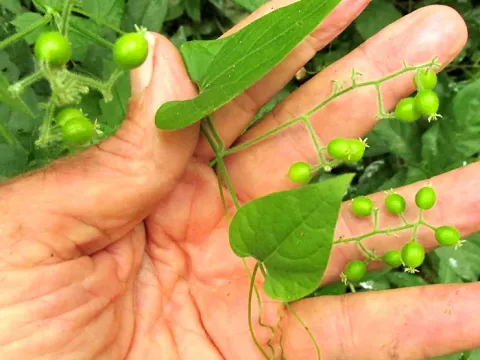
Sicydium is a genus of perennial climbing plants within the Cucurbitaceae family. Originating from the tropical regions of the Americas, these plants are well-adapted to humid forest environments where they thrive under canopy shadows.
What the section contains

Sicydium
The botanical structure of Sicydium includes slender, flexible stems equipped with tendrils. These organs allow the plant to climb efficiently, ensuring that its foliage receives adequate sunlight while maintaining a stable position on host structures.
Cultivation requires strict adherence to tropical climate parameters. Temperatures should ideally range between 22 and 28 degrees Celsius, as the plant is highly sensitive to cold, and chilling injury can occur if temperatures drop significantly.
Soil requirements are focused on high organic matter content, excellent drainage, and a pH level ranging from slightly acidic to neutral. Well-draining substrates are essential to prevent root asphyxiation, a common issue in indoor or greenhouse cultivation.
Regular maintenance involves high-humidity management and moderate watering. Because of its vining nature, providing a sturdy trellis system is mandatory to promote growth and prevent the stems from becoming tangled on the ground.
Spider mites are the most common pests affecting Sicydium, particularly in indoor environments with low airflow. These pests can rapidly colonize the undersides of leaves, causing yellowing and tissue necrosis.
Powdery mildew represents a significant fungal threat, thriving when humidity levels fluctuate or when air circulation is inadequate, leading to a visible white fungal mat on the leaves.
Root rot pathogens, including Pythium and Phytophthora species, are the primary killers of these plants, usually resulting from overwatering or poorly drained containers.
Whiteflies can also impact plant health by sucking sap and secreting honeydew, which attracts secondary sooty mold infections and weakens the overall structure of the vine.
Prevention involves consistent integrated pest management (IPM) practices, such as sanitizing tools, isolating infected plants, and ensuring optimal environmental conditions to keep the plant robust.